
Importance of Tool Holder Maintenance
Tool holders connect the cutting tool with the spindle and transfer rotational force during machining. If the holder is not clean or balanced, it can create runout, poor cutting accuracy, and vibration. Proper maintenance keeps the spindle connection secure and helps the machine perform at its best.
A well-maintained cnc tool holder also improves cutting precision. In industries such as aerospace, automotive, and die manufacturing, even small errors can affect final product quality. Maintenance helps prevent these issues and ensures stable machining operations for a longer time.
Keep Tool Holders Clean After Every Use
One of the simplest but most effective maintenance practices is regular cleaning. Chips, coolant residue, and dust can collect inside the holder and affect clamping accuracy. Operators should clean the holder carefully after each machining cycle.
Use a soft cloth or compressed air to remove dirt from the taper surface and clamping area. Avoid using damaged brushes or hard metal tools because they may scratch the holder surface. Clean holders improve contact between the spindle and tooling system, which reduces vibration and improves machining stability.
Inspect for Wear and Damage
Regular inspection is necessary to identify problems before they become serious. Tool holders should be checked for cracks, rust, dents, or taper damage. Even minor wear can create alignment issues during machining.
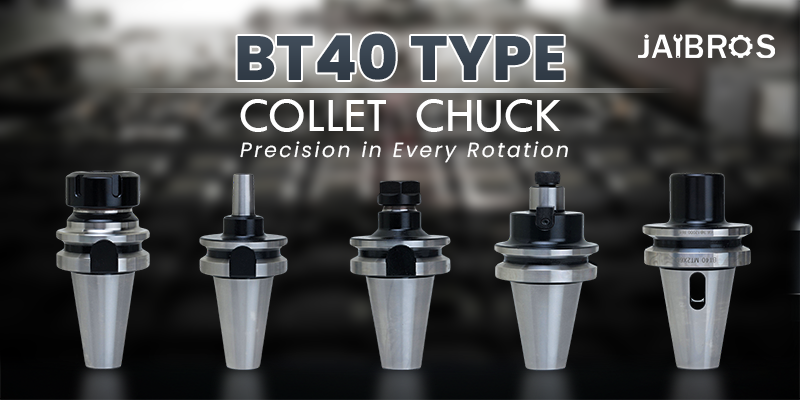
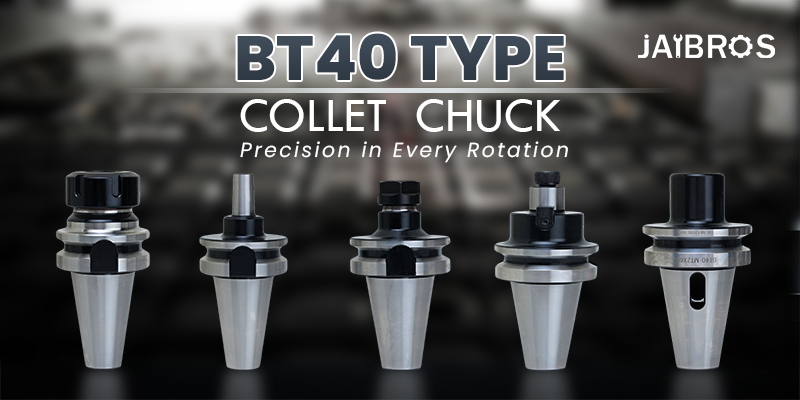
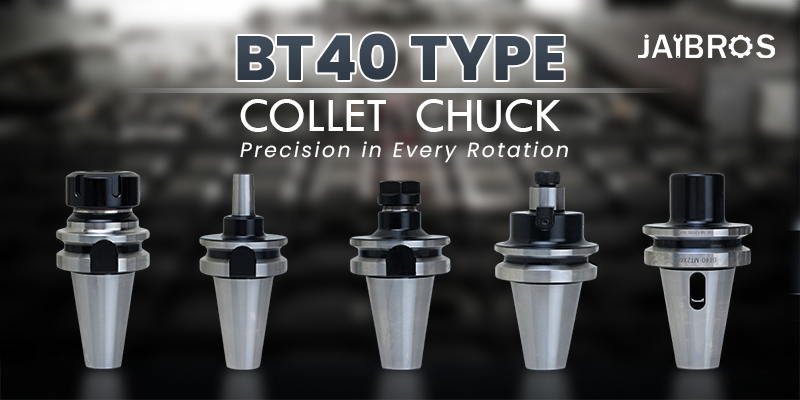
Pay special attention to the clamping mechanism because worn-out collets or locking systems may reduce grip strength. A damaged holder can increase cutting errors and reduce spindle life. Replacing worn parts at the right time helps maintain the performance of the cnc tool setup and avoids production delays.
Use Proper Storage Methods
Incorrect storage can shorten the life of tool holders. Many workshops leave holders exposed to moisture, dust, or accidental impacts. Proper storage protects precision surfaces and maintains dimensional accuracy.
Store holders in dedicated racks or protective cabinets. Keep them dry and organized to prevent corrosion. Avoid stacking holders on top of each other because impact damage may affect balance and alignment. Good storage practices also make tool management easier in busy machining environments.
Lubricate Moving Parts Carefully
Some tool holders contain moving components such as clamping nuts and retention systems. These parts require proper lubrication to operate smoothly. Lack of lubrication can create friction and increase wear over time.
Use recommended lubricants only and avoid excessive oil application because extra lubricant may attract dirt and chips. Correct lubrication improves gripping performance and supports longer service life for tooling systems.
Check Tool Holder Balance
Balanced holders are essential for high-speed machining applications. Imbalance can create vibration, poor surface finish, and spindle stress. Modern CNC machining often involves high RPM operations where balance becomes even more critical.
Tool holders should be checked regularly using balancing equipment if available. Balanced systems improve machining accuracy and support better cutting tool performance. This maintenance step is especially important in precision manufacturing industries.
Prevent Rust and Corrosion
Coolant exposure and humid workshop conditions may lead to rust formation on holders. Corrosion can damage taper surfaces and reduce machining precision. Applying anti-rust protection during storage helps maintain holder quality.
Operators should wipe holders dry after machining operations and avoid leaving coolant residue for long periods. A corrosion-free cnc tool holder performs more reliably and maintains better spindle contact.
Tighten Tools Correctly
Incorrect tightening force can damage both the holder and the cutting tool. Over-tightening may create stress on the holder, while loose clamping can cause tool slippage during machining.
Always follow the recommended torque values provided for the holder system. Torque wrenches help maintain proper clamping force and improve machining safety. Correct tightening also increases tool life and cutting consistency.
Replace Worn Collets and Accessories
Collets, pull studs, and clamping nuts wear out with regular use. Many machining problems occur because old accessories are reused for too long. Replacing these components on time improves holder performance and machining precision.
Operators should inspect accessories regularly and maintain replacement schedules. New components provide stronger grip and reduce the risk of cutting tool movement during operations.
Monitor Spindle and Holder Compatibility
Different machining applications require different holder types. Using the wrong holder may reduce efficiency and increase vibration. It is important to match the holder with spindle specifications and machining requirements.
Proper compatibility improves cutting stability and supports smoother machining operations. A suitable holder system also helps maximize the performance of the cnc tool setup in demanding production environments.
Train Operators on Maintenance Practices
Even advanced tooling systems need proper handling by skilled operators. Training workers on cleaning, inspection, and storage practices can significantly improve tool holder life.
Operators should understand how improper handling affects machining quality. Regular training sessions help create awareness about maintenance standards and improve overall workshop productivity.
Benefits of Regular Tool Holder Maintenance
Consistent maintenance offers several long-term advantages for machining operations. Clean and properly maintained holders improve dimensional accuracy, reduce machine downtime, and increase cutting tool life. Maintenance also lowers replacement costs and improves production efficiency.
Manufacturers who follow preventive maintenance practices often experience smoother operations and better product quality. Maintaining every cnc tool component carefully contributes to higher reliability and improved machining performance.
Frequently Asked Questions
1. Why is tool holder maintenance important in CNC machining?
Proper maintenance improves machining accuracy, reduces vibration, and increases tool life.
2. How often should CNC tool holders be cleaned?
Tool holders should be cleaned after every machining operation for best performance.
3. What causes damage to tool holders?
Improper storage, rust, excessive tightening, and poor handling can damage holders.
4. Can damaged tool holders affect machining quality?
Yes, damaged holders can create runout, poor surface finish, and inaccurate cutting.
5. What is the best way to store tool holders?
Store them in clean, dry, and protective racks to prevent dust, rust, and impact damage.
Why Many Industries Trust Jaibros for CNC Tooling Solutions
When industries look for reliable machining solutions, they often search for brands that focus on quality, precision, and long-term performance. Jaibros has become a recognized name among manufacturers for offering dependable CNC tooling products designed for modern machining requirements. From tool holders to industrial cutting solutions, the company focuses on delivering products that support accuracy, durability, and smooth machining operations. Many workshops and production units prefer trusted suppliers that understand industrial needs and provide consistent tooling support for better productivity and machining efficiency.
Conclusion
Tool holder maintenance is a critical part of successful CNC machining operations. Cleanliness, regular inspection, proper storage, balanced systems, and correct handling all contribute to better machining accuracy and longer equipment life. Ignoring maintenance may lead to vibration, tool wear, spindle damage, and production delays.
By following proper maintenance practices, manufacturers can improve machining efficiency and reduce operational costs. A well-maintained cnc tool system delivers consistent performance, supports precision machining, and helps industries achieve better productivity in competitive manufacturing environments.




Write a comment ...