
What is a Feeler Gauge?
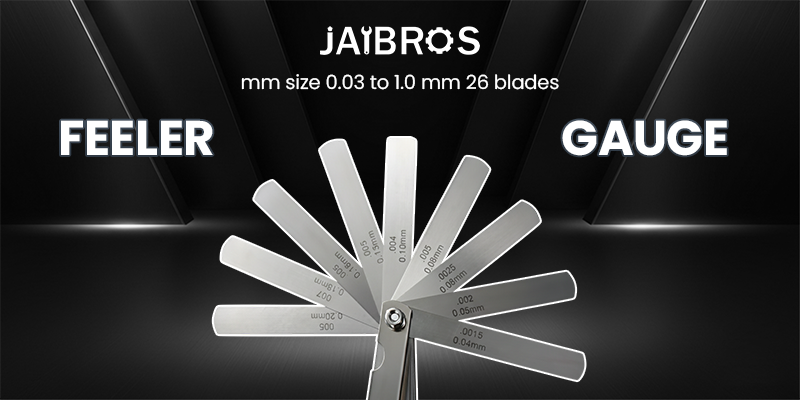
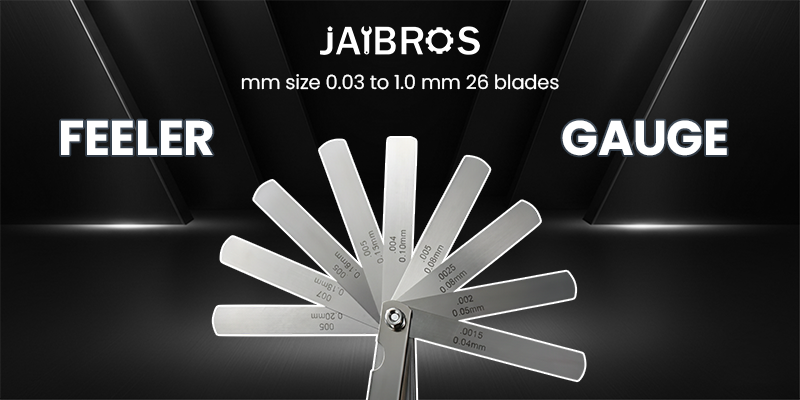
A feeler gauge is a precision measuring instrument designed to measure narrow spaces or clearances. The tool usually comes in a folding design with several thin blades attached together. These blades are made from hardened steel or stainless steel for durability and accuracy. Some advanced versions may also include brass or plastic blades for special applications.
The tool is widely used in automotive repair, engineering workshops, manufacturing units, and maintenance tasks. Mechanics often use it while adjusting spark plugs, engine valves, bearings, and machine alignments. Because the tool is easy to use and affordable, it is considered an essential item in every toolbox.
Feeler Gauge Material and Construction
The quality of the tool depends heavily on the material used in its construction. Most blades are made from stainless steel because it provides corrosion resistance and long-lasting performance. Hardened spring steel is another common material that offers flexibility and strength during repeated use.
Some specialized gauges are made using brass, plastic, or non-magnetic alloys for electrical and sensitive industrial applications. The blade surfaces are polished carefully to ensure smooth insertion into small gaps without damaging the parts being measured.
The thickness markings are laser-etched or stamped on each blade for easy identification. Good-quality tools maintain accurate dimensions even after long-term use, making them reliable for precision work.
Feeler Gauge Price in India
The price of this measuring tool in India depends on factors such as material quality, number of blades, measurement range, and brand reputation. Basic sets designed for household or beginner use are generally affordable and suitable for simple mechanical tasks.
Mid-range sets used in automotive workshops offer better durability and more blade options. Industrial-grade measuring sets made from premium stainless steel are priced higher because they provide greater precision and long service life.
In the Indian market, entry-level sets usually start from around ₹100 to ₹300. Professional workshop-quality sets may range between ₹500 and ₹1500 depending on specifications. Heavy-duty industrial measuring tools can cost even more due to advanced manufacturing standards and precision engineering.
How to Use a Feeler Gauge Correctly
Many beginners think this tool is difficult to use, but the process is actually simple. First, identify the gap or clearance that needs measurement. Then choose a blade close to the expected thickness and gently slide it between the two surfaces.
The correct blade should move with slight resistance. If the blade slides too easily, select a thicker one. If it does not fit, choose a thinner blade. Continue adjusting until the perfect fit is found. This method helps determine the exact clearance accurately.
It is important to keep the blades clean and dry after use. Dirt or rust can affect measurement accuracy over time. Proper storage also increases the life of the tool.
Top 7 Uses of a Feeler Gauge Explained for Beginners
1. Checking Engine Valve Clearance
One of the most common uses in automotive work is measuring valve clearance in engines. Proper valve gap adjustment helps engines run smoothly, improves fuel efficiency, and prevents excessive wear. Mechanics use thin blades to check the distance between valve components accurately.
2. Adjusting Spark Plug Gaps
Spark plugs require the correct gap for proper ignition performance. If the spacing is too wide or too narrow, engine performance may suffer. This measuring tool helps maintain accurate spark plug gaps for efficient combustion.
3. Measuring Machine Component Alignment
Industrial machines contain moving parts that require proper alignment and spacing. Maintenance technicians use the tool to check clearances between machine surfaces and ensure smooth operation.
4. Inspecting Bearing Clearances
Bearings are critical components in engines and machinery. Incorrect bearing clearance can lead to overheating and mechanical failure. The tool helps technicians measure and maintain safe operating clearances.
5. Setting Up Industrial Equipment
Many industrial machines require accurate setup before operation. Precision spacing between components ensures efficient performance and reduces vibration. This measuring method supports proper machine calibration.
6. Woodworking and DIY Applications
Woodworkers and hobbyists also use precision gap measurement tools during assembly and alignment tasks. They help maintain consistent spacing in furniture making, tool setup, and detailed repair work.
7. Maintenance of Electrical Equipment
Certain electrical systems and sensitive devices require exact spacing between contacts or components. Non-magnetic or insulated blades are useful for measuring gaps safely in such applications.
Benefits of Using Precision Measuring Tools
Using accurate measuring equipment improves both safety and efficiency. Small mechanical errors can create major operational problems over time. Proper clearance measurement reduces friction, prevents overheating, and increases equipment lifespan.
These tools are lightweight, portable, easy to use, and suitable for beginners as well as professionals. Their simple design allows quick measurements without requiring advanced technical knowledge.
Another major advantage is cost-effectiveness. A single measuring set can support multiple applications across automotive repair, machinery maintenance, engineering work, and home projects.
Tips for Beginners
Beginners should always handle blades carefully to avoid bending them. For best accuracy, clean the surfaces before measurement and avoid forcing blades into tight gaps. Reading the thickness markings properly is also important for accurate results.
Always store the measuring set in a dry place to prevent rust formation. Applying light machine oil occasionally can help maintain blade condition for long-term use.
When working with automotive engines or industrial machines, always follow the manufacturer’s recommended clearance values. Incorrect measurements may affect machine performance or safety.
Frequently Asked Questions
1. What is a feeler gauge used for?
It is used to measure small gaps and clearances between mechanical parts accurately.
2. Which material is best for feeler gauge blades?
Stainless steel is commonly preferred because it is durable and rust-resistant.
3. Can beginners use a feeler gauge easily?
Yes, it is simple to use and suitable for both beginners and professionals.
4. What is the average feeler gauge price in India?
Basic sets generally start from around ₹100, while professional sets cost more.
5. Why is accurate clearance measurement important?
Proper clearance helps machines operate smoothly and reduces wear or damage.
Why Professionals Trust Jai Bros for Precision Measuring Tools
When buying precision measuring tools, users often look for quality, durability, and accurate performance. Jai Bros has become a trusted choice for many professionals and workshop users because of its wide range of industrial and engineering tools. From automotive maintenance to mechanical repair work, users prefer reliable products that deliver consistent measurements and long service life. Choosing a dependable supplier helps beginners and professionals get better accuracy, improved efficiency, and confidence while working on important mechanical tasks.
Conclusion
A feeler gauge is a small but highly important tool used in many industries for accurate gap measurement. From automotive engine maintenance to industrial machinery inspection, its applications are wide and practical. Beginners can easily learn its usage with basic practice and proper handling techniques.
Understanding the material quality, measurement process, and correct application helps users get accurate and reliable results. Whether for professional workshop tasks or simple home repairs, this precision tool remains an essential part of mechanical maintenance and engineering work.

Write a comment ...