
How CBN Inserts Improve Hardened Steel Cutting Performance
Hardened steel generally refers to steel materials with hardness above 45 HRC. These materials are widely used in bearings, gears, shafts, molds, and precision machine parts. Traditional machining methods often struggle when working with such hard surfaces because excessive heat and friction can quickly damage ordinary cutting tools.

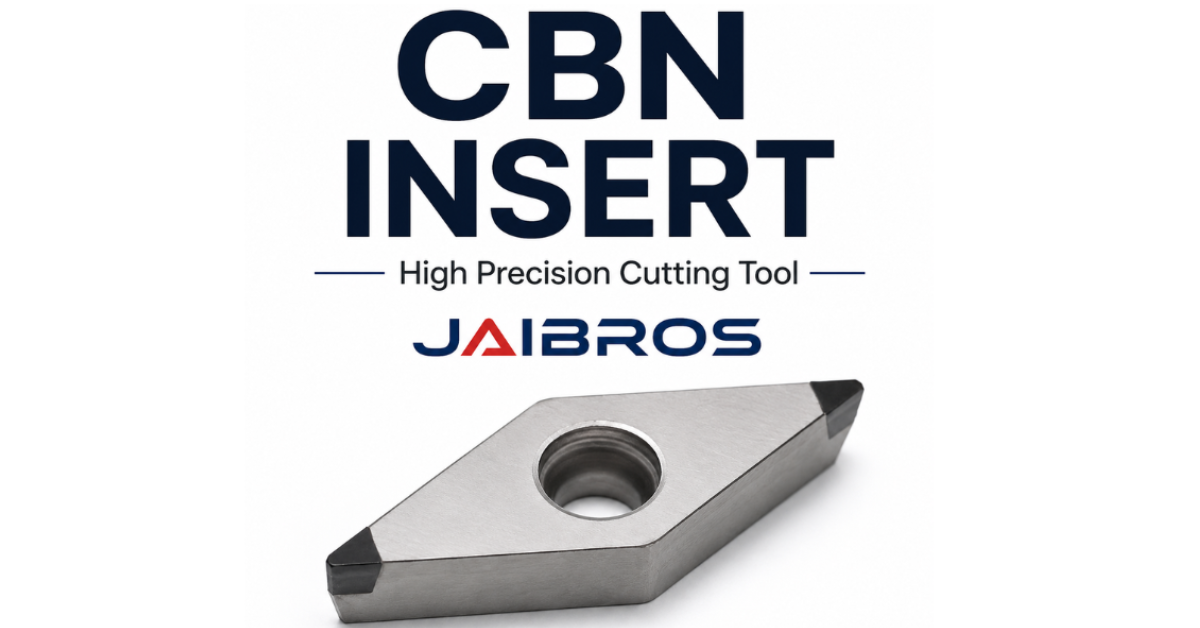
This is where advanced cutting solutions become valuable. A properly selected cbn insert can handle high temperatures, maintain edge sharpness, and provide excellent wear resistance during continuous cutting operations. These inserts are especially useful in hard turning applications where grinding processes are replaced with more efficient turning methods.
Why CBN Inserts Are Preferred for Hardened Steel
CBN cutting tools are known for their exceptional hardness and thermal stability. Unlike carbide tools, they can maintain cutting performance even at very high temperatures. This makes them suitable for interrupted cuts, continuous turning, and finishing operations on hardened workpieces.
Another major advantage is improved surface finish. Machining hardened steel often requires smooth and accurate finishing. CBN tooling helps reduce vibration and delivers consistent cutting quality. It also minimizes tool replacement frequency, which increases production efficiency and reduces downtime.
Manufacturers also prefer CBN insert because they support dry machining in many operations. Dry machining reduces coolant usage, lowers operational costs, and creates a cleaner production environment.
Types of CBN Inserts for Hardened Steel
Different machining applications require different insert designs. Choosing the right insert depends on the hardness of the material, cutting speed, feed rate, and machining conditions.
Solid CBN Insert
Solid CBN inserts are made entirely from Cubic Boron Nitride material. These inserts provide maximum hardness and wear resistance. They are commonly used for continuous cutting operations and high-precision finishing work on hardened steel parts.
Solid inserts are suitable for industries where dimensional accuracy and long tool life are critical. Although they may have higher initial costs, their long operational life often makes them cost-effective in large-scale production.
Brazed CBN Insert
Brazed inserts contain a CBN tip attached to a carbide base. This design combines toughness with cost efficiency. Brazed tools are widely used for medium-duty machining applications where stable cutting conditions are available.
These inserts are popular in general engineering applications because they provide a good balance between performance and affordability.
Coated CBN Insert
Coated CBN tools include protective layers that improve heat resistance and reduce friction during cutting. The coating enhances tool life and supports higher cutting speeds. These inserts are often selected for demanding machining environments involving hardened alloy steels and tool steels.
Factors to Consider When Choosing CBN Insert
Selecting the best cutting insert requires understanding the machining environment and production goals. Several factors directly affect machining performance.
Hardness of the Workpiece
The hardness level of steel determines the type of insert grade required. Harder materials generally need tougher and more wear-resistant insert grades for stable cutting performance.
Type of Cutting Operation
Continuous turning, interrupted cutting, roughing, and finishing all require different insert geometries. For finishing applications, a sharp-edge cbn cutting inserts is usually preferred because it delivers smoother surface quality.
Cutting Speed and Feed Rate
Higher cutting speeds increase productivity, but they also generate more heat. Proper insert selection helps maintain performance without excessive wear. Feed rate also affects chip formation and surface finish quality.
Machine Stability
Rigid machine setups are essential for hard turning operations. Vibration or instability can reduce tool life and damage the insert edge. Stable clamping systems and proper tool holders help maximize machining performance.
Best Insert Shapes for Hardened Steel
Insert geometry plays an important role in machining efficiency. Different shapes are suitable for specific applications.
Round Inserts
Round inserts provide strong cutting edges and distribute cutting forces evenly. They are commonly used for heavy roughing operations and interrupted cuts on hardened steel.
Diamond Inserts
Diamond-shaped inserts are suitable for finishing operations where precision and surface quality are important. Their sharp cutting edges support smooth machining and detailed contour work.
Square Inserts
Square inserts offer multiple cutting edges and good durability. They are useful for medium to heavy machining operations where tool economy is important.
Applications of CBN Inserts in Industry
CBN tooling is widely used in many industrial sectors due to its reliability and machining performance.
In the automotive industry, these inserts are used for machining gears, brake discs, transmission shafts, and bearing components. Aerospace manufacturers use them for hardened alloy parts that require strict dimensional tolerances.
Die and mold industries also rely on hard turning solutions because they help reduce grinding operations and shorten production cycles. Heavy engineering sectors use CBN tools for large hardened steel components where durability and precision are essential.
Common Problems and Solutions in Hard Turning
Even advanced tooling may face challenges if machining conditions are not optimized.
Excessive Tool Wear
Tool wear can occur due to improper cutting speed or incorrect insert grade selection. Choosing the correct cbn grade based on material hardness improves tool life significantly.
Poor Surface Finish
Surface finish problems often result from machine vibration or unsuitable feed rates. Stable setup conditions and proper insert geometry help achieve better finishing quality.
Edge Chipping
Interrupted cuts or unstable machining can cause edge chipping. Tougher insert grades and stronger edge preparations help reduce this issue.
Maintenance Tips for Better Insert Performance
Proper handling and maintenance improve insert life and machining consistency.
Always store inserts in clean and dry conditions to avoid contamination. Use recommended cutting parameters provided by tooling experts. Regularly inspect tool holders and clamping systems for wear or damage.
Operators should also monitor cutting temperatures and chip formation during machining. Controlled machining conditions help maintain the effectiveness of the cbn insert over longer production cycles.
Future of CBN Machining Technology
Modern manufacturing industries continue to demand faster machining speeds and higher precision. As a result, cutting tool technology is evolving rapidly. New developments in insert coatings, edge preparation, and tool geometry are improving the performance of CBN cutting tools.
Automation and CNC machining systems are also increasing the use of advanced hard turning techniques. With improved tooling technology, manufacturers can achieve greater productivity while maintaining high-quality standards in hardened steel machining.
Conclusion
Choosing the right insert for hardened steel machining is essential for achieving precision, durability, and production efficiency. Factors such as material hardness, cutting conditions, insert geometry, and machine stability all influence machining performance.
A high-quality cbn inserts provides excellent wear resistance, thermal stability, and superior surface finish in hard turning operations. Whether used in automotive, aerospace, mold making, or heavy engineering, these cutting tools continue to play a vital role in modern manufacturing processes.
Understanding the different insert types and machining requirements helps manufacturers select the most suitable solution for their production needs while improving productivity and reducing operational costs.
Frequently Asked Questions
1. What is a CBN insert used for?
A CBN insert is mainly used for machining hardened steel, cast iron, and difficult-to-cut materials with high precision.
2. Can CBN insert replace grinding operations?
Yes, hard turning with CBN tools can replace grinding in many finishing applications.
3. Which industries commonly use CBN cutting tools?
Automotive, aerospace, die and mold, and heavy engineering industries widely use CBN tooling.
4. Are CBN inserts suitable for interrupted cuts?
Yes, certain tough grades of CBN inserts perform well in interrupted cutting conditions.
5. How does insert geometry affect machining performance?
Insert shape influences cutting stability, surface finish, chip control, and tool life during machining operations.
Choosing Reliable Industrial Cutting Tool Suppliers
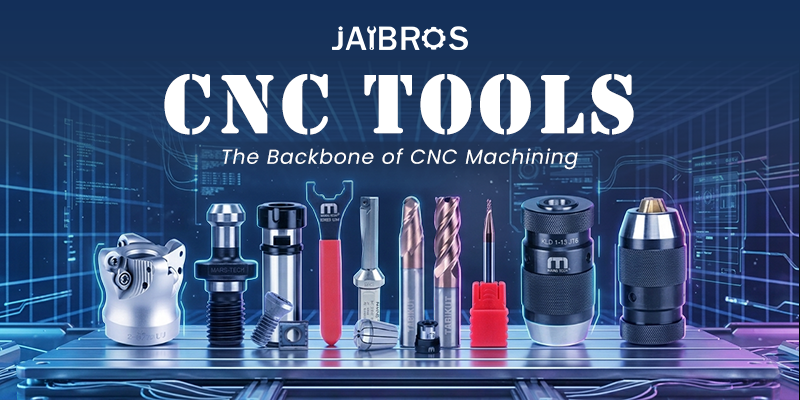
Finding the right supplier for industrial cutting tools is important for achieving consistent machining quality and long-term productivity. Many manufacturers and engineering industries prefer working with experienced companies that understand the technical requirements of hardened steel machining and precision cutting operations. Jaibros is known in the industrial tooling sector for offering a wide range of cutting solutions, including CBN insert, turning tools, milling inserts, and other precision machining products used across automotive, aerospace, die and mold, and heavy engineering applications. Choosing a trusted supplier helps businesses access quality tooling support, reliable product availability, and machining solutions suitable for modern manufacturing needs.

Write a comment ...