
What Are CNC Milling Inserts?
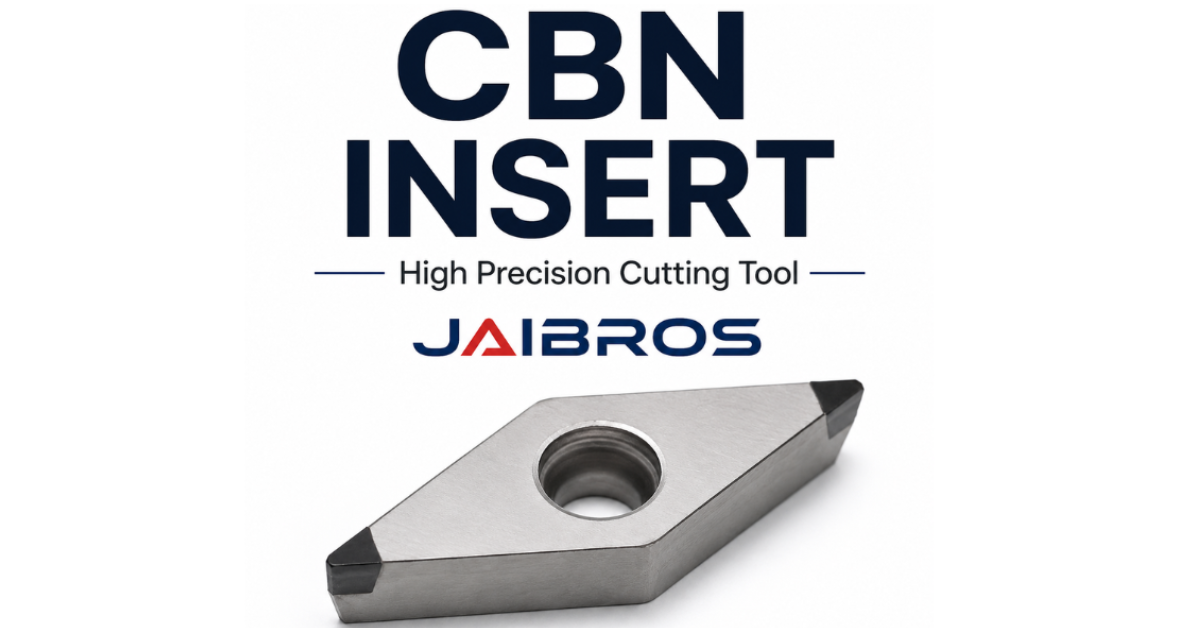
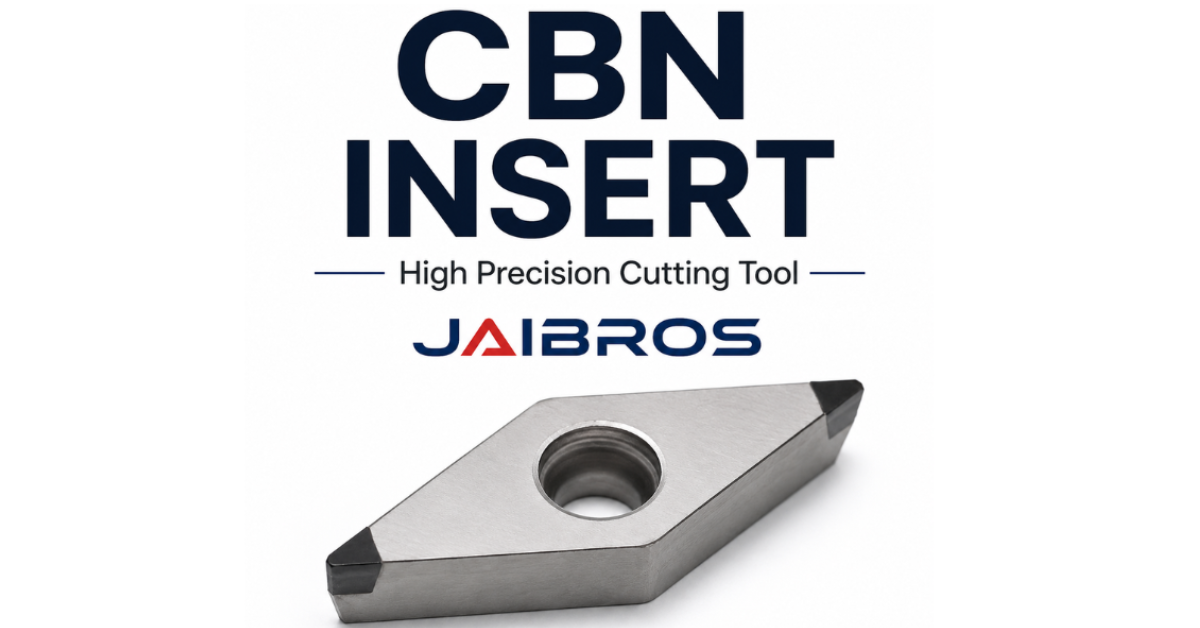
CNC inserts are specially designed cutting tips mounted on milling cutters. These inserts are made from hard materials such as carbide, ceramic, or coated metals to handle high temperatures and cutting pressure. Unlike traditional cutting tools, inserts can be replaced when worn out, making them cost-effective and efficient for industrial machining.
Different machining tasks require different insert geometries and grades. Some inserts are designed for rough cutting, while others provide fine finishing. The shape, coating, and edge preparation of inserts determine how effectively they cut various materials like steel, aluminum, stainless steel, or cast iron.
In many machining operations, milling inserts improve cutting efficiency by reducing vibration, maintaining dimensional accuracy, and delivering smoother surface finishes.
Role of Inserts in Precision Machining
Precision machining requires tight tolerances and exact measurements. Even a small error can affect the performance of the final component. CNC inserts help maintain precision because they are manufactured with consistent geometry and sharp cutting edges.
A high-quality insert ensures stable cutting action during machining. This stability reduces tool deflection and improves dimensional consistency across multiple workpieces. Manufacturers rely on inserts to maintain repeatable performance in mass production environments.
The use of proper inserts also helps reduce machine downtime. Since inserts are replaceable, operators can quickly change worn edges without replacing the complete tool holder. This improves productivity and supports continuous machining operations.
Importance of Material and Coating Technology
The material used in cutting inserts plays a critical role in machining performance. Carbide inserts are widely preferred because of their hardness and heat resistance. Advanced coatings such as titanium nitride or aluminum oxide further increase wear resistance and reduce friction during cutting.
Coated inserts help manage heat generated during high-speed machining. Excess heat can damage both the tool and workpiece surface. By reducing heat buildup, inserts improve tool life and maintain cutting precision over long production cycles.
Modern coating technology also allows inserts to perform effectively in dry machining conditions. This reduces the need for excessive coolant use and supports environmentally responsible manufacturing practices.
Benefits of CNC Milling Inserts in Industrial Applications
One major advantage of CNC inserts is improved machining efficiency. They allow higher cutting speeds and feed rates compared to traditional tools. Faster machining reduces production time and increases output without compromising quality.
Another important benefit is consistent surface finish. Industries producing engine parts, molds, and aerospace components require smooth surfaces with accurate dimensions. Proper insert selection helps achieve these results with minimal rework.
Durability is another key factor. Industrial machining often involves hard materials and continuous cutting operations. Strong inserts can withstand heavy loads and maintain cutting performance for extended periods.
In demanding machining environments, milling insert support reliable operations by reducing tool wear and maintaining stable cutting conditions.
Types of Inserts Used in CNC Machining
CNC machining operations use different categories of inserts depending on the cutting process.
Milling Inserts
These inserts are mainly used for face milling, shoulder milling, and profile milling. They remove material efficiently and provide accurate finishes on flat or complex surfaces.
Turning Inserts
Turning inserts are commonly used in lathe machines for external and internal turning operations. They help produce cylindrical parts with precise dimensions.
Grooving Inserts
Grooving inserts are designed for creating narrow grooves, slots, or recesses in workpieces. They are widely used in automotive and industrial component manufacturing.
Face Grooving Inserts
Face grooving inserts are used for cutting grooves on the face of rotating parts. They provide excellent chip control and dimensional accuracy in precision turning operations.
Each insert type is engineered for specific machining requirements, ensuring efficient material removal and improved process stability.
How Inserts Improve Productivity
Manufacturing industries focus heavily on productivity and operational efficiency. CNC inserts contribute significantly by reducing setup time and minimizing interruptions caused by tool wear.
Replaceable inserts allow operators to switch cutting edges quickly. This saves time compared to sharpening solid cutting tools. Multi-edge inserts also increase efficiency because a single insert can provide multiple usable cutting corners.
Advanced insert geometries improve chip evacuation during machining. Better chip control prevents material buildup around the cutting zone and reduces the risk of surface damage. Efficient chip removal also enhances machining safety and improves overall process reliability.
When selected correctly, milling inserts help manufacturers achieve faster cycle times and better production consistency.
Factors to Consider When Choosing Inserts
Selecting the right insert is important for achieving optimal machining performance. Several factors should be considered before choosing inserts for a machining application.
Workpiece Material
Different materials require specific insert grades and coatings. Hard materials need wear-resistant inserts, while softer materials may require sharper cutting edges.
Cutting Speed and Feed Rate
Machining parameters influence insert performance and tool life. Inserts should match the operating conditions of the CNC machine.
Surface Finish Requirements
Finishing operations need inserts with precise geometries and smoother cutting action to achieve fine surface quality.
Chip Control
Proper chip control prevents overheating and improves machining efficiency. Inserts with advanced chip breaker designs are often preferred for high-speed operations.
Tool Stability
Stable tooling reduces vibration and improves machining accuracy. Proper insert seating and tool holder compatibility are essential for reliable performance.
Future of CNC Insert Technology
Manufacturing technology continues to evolve rapidly. Modern insert designs now focus on higher cutting speeds, longer tool life, and improved sustainability. Advanced coatings and precision-engineered geometries are helping industries machine difficult materials more efficiently.
Automation and smart manufacturing systems are also increasing the demand for reliable cutting tools. CNC inserts designed for automated machining environments offer predictable wear patterns and consistent cutting performance.
In the future, innovations in material science and coating technology will continue improving machining accuracy and productivity across industries.
Conclusion
Precision machining depends heavily on the quality and performance of cutting tools. CNC inserts are essential because they improve machining accuracy, reduce downtime, and increase production efficiency. Their ability to deliver consistent cutting performance makes them valuable in industries where precision and reliability are critical.
From milling and turning to grooving applications, inserts support a wide range of machining operations. Their advanced materials, coatings, and geometries help manufacturers achieve better surface finishes, longer tool life, and higher productivity.
As manufacturing standards continue to rise, the importance of milling inserts in precision machining will remain strong. Choosing the correct insert for each application ensures efficient operations, consistent quality, and long-term machining success.
Frequently Asked Questions
1. What are CNC milling inserts used for?
CNC milling inserts are used for cutting, shaping, and finishing metal workpieces in precision machining operations.
2. Why are carbide inserts popular in machining?
Carbide inserts are popular because they offer high hardness, heat resistance, and long tool life.
3. What is the difference between turning and grooving inserts?
Turning inserts are used for cylindrical machining, while grooving inserts are designed to create slots and grooves.
4. How do coatings improve insert performance?
Coatings reduce friction, improve wear resistance, and help control heat during machining.
5. Why is insert selection important in CNC machining?
Proper insert selection improves surface finish, increases productivity, and extends tool life.
Why Users Choose Jaibros for CNC Tooling Solutions
Jaibros is considered by many machining professionals as a reliable source for CNC cutting tools and industrial inserts because of its focus on quality, precision, and machining efficiency. Industries involved in automotive, engineering, metalworking, and precision manufacturing often look for dependable tooling suppliers that can support consistent production performance, better surface finishing, and reduced machine downtime. With solutions for milling, turning, grooving, and face grooving applications, Jaibros is commonly preferred by users searching for durable and efficient tooling products that meet modern machining requirements and help improve overall operational productivity.

Write a comment ...