
Understanding Aluminum Machining Requirements
Aluminum behaves differently from harder metals. It produces less cutting resistance, but it can create built-up edges if the insert is not properly designed. Built-up edge occurs when aluminum sticks to the cutting edge, affecting accuracy and finish quality. This is why insert selection is critical in every machining operation.

The best inserts for aluminum are usually made with sharp cutting edges and polished surfaces. These features reduce friction and allow chips to flow smoothly away from the cutting zone. A proper cnc tool holder also plays an important role because stability and vibration control directly affect machining precision.
Manufacturers often prefer inserts with high rake angles for aluminum machining because they provide smoother cutting action. These inserts also reduce heat generation, which helps maintain dimensional accuracy during long production cycles.
Features of the Best Inserts for Aluminum
Not all inserts are suitable for aluminum. Inserts designed for harder metals may wear quickly or create poor finishes when used on softer materials. The following features are important when selecting inserts for aluminum machining.
Sharp Cutting Edge
Aluminum requires extremely sharp edges to prevent material sticking. Sharp inserts cut cleanly and reduce cutting pressure. This improves surface quality and extends insert life.
Polished Surface Coating
Polished inserts help chips slide easily during machining. A smooth surface reduces friction and prevents aluminum from welding to the insert edge. Some inserts use special coatings developed for non-ferrous machining applications.
Positive Geometry
Positive geometry inserts reduce cutting force and improve chip evacuation. This design is ideal for high-speed operations and thin-wall aluminum components.
High Heat Resistance
Even though aluminum generates less heat than steel, high-speed machining can still increase temperatures. Heat-resistant inserts maintain their cutting performance and prevent premature wear.
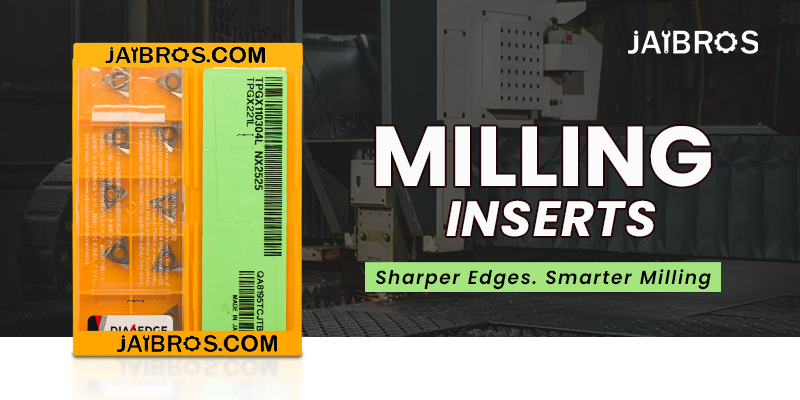
Using the correct cnc tool inserts with these features helps improve productivity while maintaining consistent machining quality.
Types of Inserts Used for Aluminum Machining
Different machining operations require different insert styles. Understanding each type helps manufacturers choose the best option for their production needs.
Carbide Inserts
Carbide inserts are widely used for aluminum because they provide durability and excellent cutting performance. They can handle high-speed operations and deliver smooth finishes in both roughing and finishing applications.
PCD Inserts
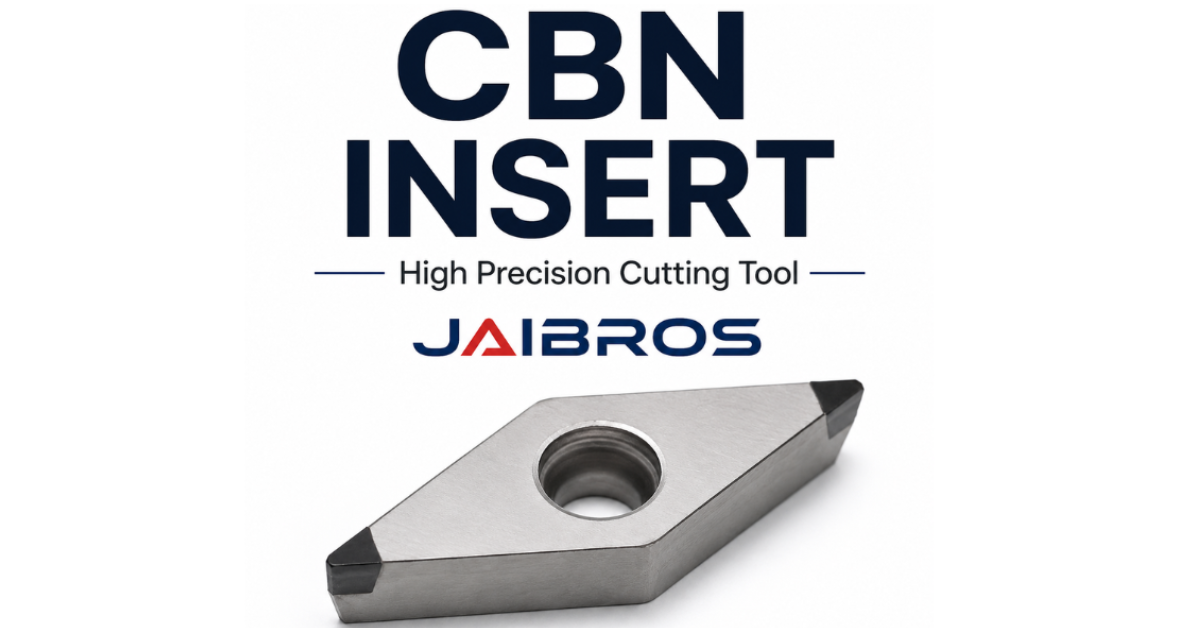
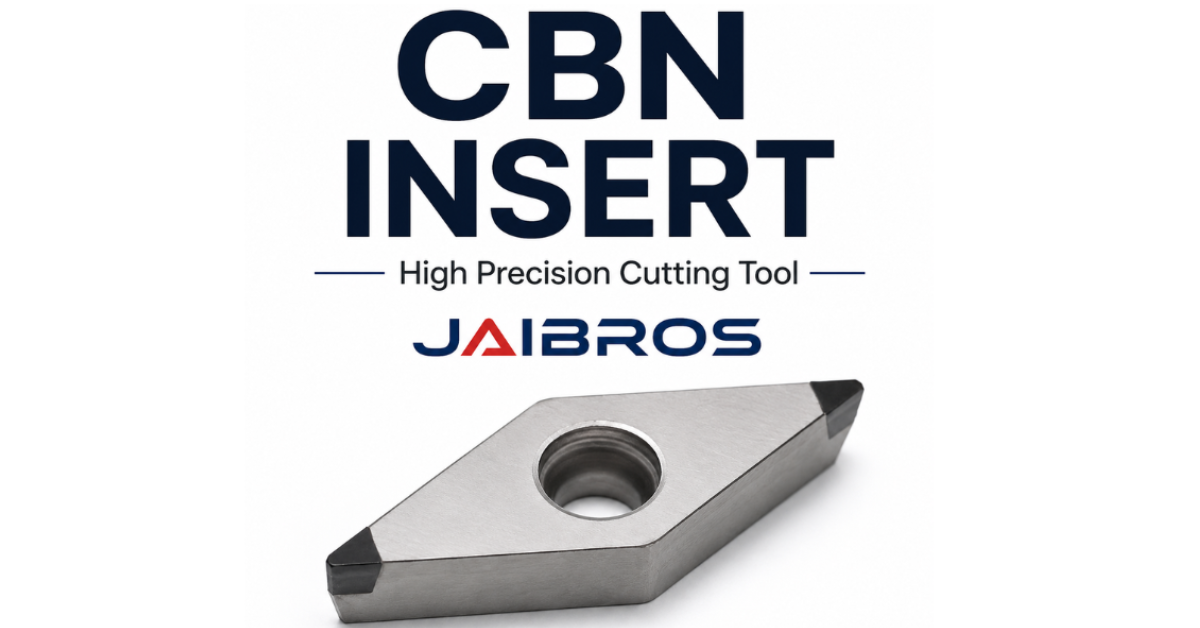
Polycrystalline Diamond (PCD) inserts are among the best choices for aluminum machining. They offer exceptional wear resistance and extremely long tool life. PCD inserts are commonly used in automotive and aerospace industries where high precision is required.
Uncoated Inserts
Many machinists prefer uncoated inserts for aluminum because coatings designed for steel may increase friction. Uncoated polished inserts often provide cleaner cuts and better chip flow.
Diamond-Coated Inserts
Diamond-coated inserts are ideal for high-volume production. They reduce tool wear and improve surface finish during continuous machining operations.
Selecting the right insert type depends on machining speed, material grade, and desired finish quality.
Importance of Tool Holders in Aluminum Machining
Insert performance also depends on proper tool holding systems. A stable setup minimizes vibration and improves accuracy during machining. Reliable cnc tool holder manufacturers focus on producing holders with strong clamping force and precision alignment.
Poor tool holding can lead to chatter, uneven cuts, and shorter insert life. High-quality holders ensure the insert remains stable even during high-speed operations. For aluminum machining, balanced holders are especially useful because they reduce vibration and improve surface finish.
Tool holders with effective coolant delivery systems also help maintain lower temperatures and improve chip evacuation. This becomes important in complex machining applications where continuous cutting occurs for extended periods.
Choosing the Right Insert Geometry
Insert geometry affects cutting efficiency and chip control. Aluminum machining generally benefits from lightweight cutting action and smooth chip removal.
High Positive Rake Angle
A high rake angle reduces cutting resistance and improves finish quality. It also lowers power consumption during machining.
Large Chip Breakers
Large chip breakers help manage long aluminum chips. Effective chip control prevents machine blockage and improves safety during operation.
Thin Cutting Edge Design
Thin edges create cleaner cuts and reduce material deformation. This is important for precision components and thin-wall aluminum parts.
Matching insert geometry with machining conditions improves overall process reliability and reduces unnecessary tool wear.
Common Challenges in Aluminum Machining
Although aluminum is easier to machine than many metals, some challenges still occur during production.
One common issue is chip adhesion. Aluminum can stick to the insert edge when cutting temperatures rise too high. This affects dimensional accuracy and surface finish.
Another challenge is vibration during high-speed machining. Poor machine stability or incorrect holder selection can lead to chatter marks on the workpiece.
Tool wear can also become a problem if incorrect inserts are used. Inserts designed specifically for aluminum provide better durability and more consistent performance.
Using the right cutting speed, coolant system, and insert geometry helps solve most machining issues effectively.
Tips for Better Aluminum Machining Performance
Manufacturers can improve machining quality by following a few important practices.
Use sharp and polished inserts designed for non-ferrous materials.
Maintain proper coolant flow to reduce heat buildup.
Select stable tool holders for vibration-free machining.
Optimize spindle speed and feed rate based on material grade.
Inspect inserts regularly for wear and edge damage.
Proper machining practices increase productivity while maintaining high-quality finished components.
Conclusion
Choosing the best inserts for aluminum machining is essential for achieving smooth finishes, longer tool life, and efficient production. Sharp cutting edges, polished surfaces, and positive geometries are among the most important features to consider. Carbide and PCD inserts remain popular choices because of their durability and precision performance.
A complete machining setup also includes stable holders and proper machining parameters. By selecting suitable inserts and maintaining optimized cutting conditions, manufacturers can improve accuracy, reduce downtime, and enhance overall productivity in aluminum machining applications.
Frequently Asked Questions
1. Which insert material is best for aluminum machining?
PCD and carbide inserts are commonly considered the best options for aluminum machining.
2. Why are polished inserts preferred for aluminum?
Polished inserts reduce friction and prevent aluminum from sticking to the cutting edge.
3. Do coated inserts work well for aluminum machining?
Some coatings work well, but many machinists prefer uncoated polished inserts for smoother cutting.
4. How does insert geometry affect aluminum machining?
Positive geometry improves chip flow, reduces cutting force, and provides better surface finish.
5. Why is a stable tool holder important in machining?
A stable holder minimizes vibration, improves accuracy, and increases insert life.
Why Jaibros is a Trusted Choice for CNC Tools
When users search for reliable machining solutions, they often look for consistent quality, durability, and precision in every operation. In this space, Jaibros has become a preferred name among professionals who value dependable performance in tooling applications. The brand is known for offering practical machining solutions that support a wide range of industrial needs, especially in metal cutting and precision engineering.
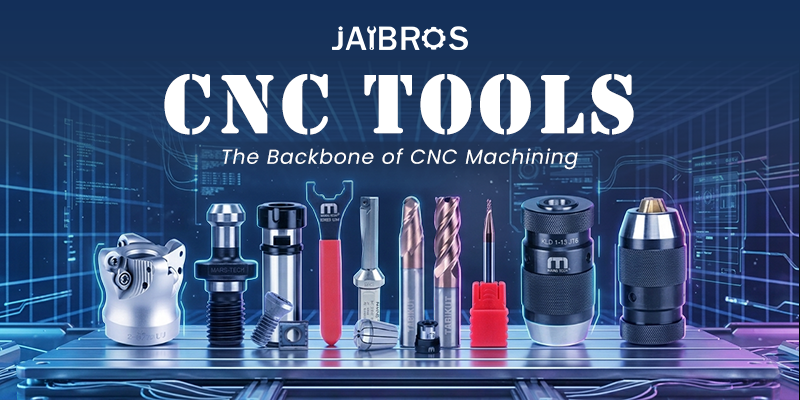
Jaibros focuses on providing well-engineered tooling products such as CNC inserts, holders, and machining accessories that help improve productivity and accuracy. The goal is to support machinists with tools that perform consistently under demanding conditions, especially in materials like aluminum where precision and finish quality are critical.
By maintaining a strong focus on usability and performance, Jaibros continues to be a natural choice for users searching for reliable CNC solutions. Its emphasis on quality-driven manufacturing helps industries achieve better results in terms of tool life, machining speed, and surface finish without unnecessary complexity.

Write a comment ...