
Introduction to Milling Cutting Tools
In machining processes, rotating cutting tools are used to remove material from a solid block. Among these tools, end mills are especially important because they can cut in multiple directions, unlike simple drill bits that only cut downward. These tools are commonly used in CNC machines and manual milling machines for precision work. They are available in different shapes, sizes, and materials depending on the application. One of the main advantages of these tools is their ability to perform both side cutting and face cutting operations, making them very versatile in industrial work.
What Are Milling Cutters Used For?
Milling cutters are tools used to remove material from a workpiece by rotating at high speed. They are widely used in industries like automotive, aerospace, construction, and manufacturing. A key category of these tools includes end mills, which are known for their ability to produce complex shapes and fine finishes. They can be used for tasks like slot cutting, profile shaping, engraving, and surface finishing. Their design allows them to work on different materials such as steel, aluminum, and plastic with high accuracy.
Types of Cutting Tools in Milling
There are several types of cutting tools used in milling operations, each designed for specific tasks and materials. Among them, end mills are the most versatile category. Some of the common types include flat end mill for general cutting, ball nose tools for 3D contouring, and corner radius tools for stronger edges. Another important category is carbide end mills, which are made from tungsten carbide material. These tools are known for their hardness, durability, and ability to handle high-speed cutting operations.
Another widely used type is indexable end mill, which use replaceable cutting inserts. Instead of replacing the entire tool when it becomes dull, only the insert is replaced. This makes them cost-effective for heavy-duty machining operations. Solid carbide end mills are also very popular due to their excellent wear resistance and ability to maintain sharp cutting edges for longer periods. Each type has its own benefits depending on the machining requirement and material type.
Material and Construction of Milling Tools
The performance of cutting tools depends heavily on the material used in their construction. High-speed steel (HSS) tools are commonly used for general machining tasks, but carbide-based tools offer higher performance and longer tool life. Carbide end mills are particularly effective for high-speed machining because they can withstand heat and maintain hardness even at high temperatures.
Solid carbide end mills are manufactured from a single piece of carbide, which provides better rigidity and accuracy. On the other hand, indexable designs combine a steel body with replaceable carbide inserts, making them flexible and economical for large-scale production. The choice between these depends on cost, precision requirements, and material being machined.
Working Principle of Milling Operations
The working principle of milling involves rotating the cutting tool at high speed while the workpiece is fed into it. Material is removed in small chips until the desired shape is achieved. In CNC machining, this process is controlled by computer programming, which ensures high accuracy and repeatability. Tools like end mill are essential in this process because they can cut in multiple directions, including sideways, vertically, and diagonally.
This multi-directional cutting ability makes them suitable for complex geometries. Cooling fluids are often used during machining to reduce heat and improve tool life. Proper selection of speed, feed rate, and tool type is essential for achieving optimal results.
Applications in Different Industries
Cutting tools are used in almost every manufacturing industry. In the automotive sector, they are used to produce engine parts, gears, and precision components. In aerospace, they help in manufacturing lightweight yet strong components with tight tolerances. In the electronics industry, they are used to create small and detailed parts.
In all these applications, end mill play a key role because of their precision and flexibility. Whether it is rough cutting or finishing operations, they can handle a wide range of tasks efficiently. Their ability to work on different materials makes them a preferred choice in modern manufacturing environments.
Advantages of Using Advanced Milling Tools
Modern cutting tools offer several advantages such as higher accuracy, faster production, and better surface finish. Carbide-based tools provide longer life and improved performance under high-speed conditions. Indexable designs reduce downtime because only the insert needs replacement. Solid carbide options provide excellent precision for detailed machining work.
Using the right type of tool improves efficiency and reduces production costs. It also helps in maintaining consistent quality in mass production environments. Proper tool selection is therefore essential for achieving the best machining results.
Maintenance and Tool Care
Proper maintenance of cutting tools is important for long life and performance. Tools should be cleaned regularly to remove metal chips and coolant residue. They should also be stored in a dry place to prevent corrosion. Sharpening or replacing worn-out tools on time helps maintain machining accuracy.
Using correct cutting speeds and feed rates also reduces tool wear. Overloading the tool can lead to breakage or poor surface finish. Therefore, careful operation and maintenance are key to extending tool life and ensuring consistent performance.
Future of Milling Technology
With advancements in manufacturing technology, cutting tools are becoming more efficient and durable. New coatings and materials are being developed to improve heat resistance and cutting speed. CNC automation is also improving precision and reducing human error. In the future, smarter and more efficient tools will continue to improve productivity in machining industries.
Conclusion
In summary, end mills are essential tools in modern machining and manufacturing industries. They come in different types such as carbide end mill, indexable end mill, and solid carbide end mill, each serving specific purposes. Their versatility, precision, and efficiency make them a key component in producing high-quality mechanical parts. Understanding their types, uses, and applications helps in selecting the right tool for any machining requirement.
Frequently Asked Questions (FAQs)
Q1: What are end mill used for?
A: They are used for cutting, shaping, and finishing materials like metal, plastic, and wood in milling operations.
Q2: What is the difference between carbide and HSS tools?
A: Carbide tools are harder, last longer, and work at higher speeds compared to HSS tools.
Q3: What are indexable tools?
A: These are tools with replaceable cutting inserts, which reduce replacement costs and increase efficiency.
Q4: Why are solid carbide tools preferred?
A: They offer high precision, rigidity, and longer tool life for detailed machining tasks.
Q5: Can milling tools cut different materials?
A: Yes, they can cut metals, plastics, and wood depending on the tool type and cutting conditions.
Trusted Source for Quality Cutting Tools
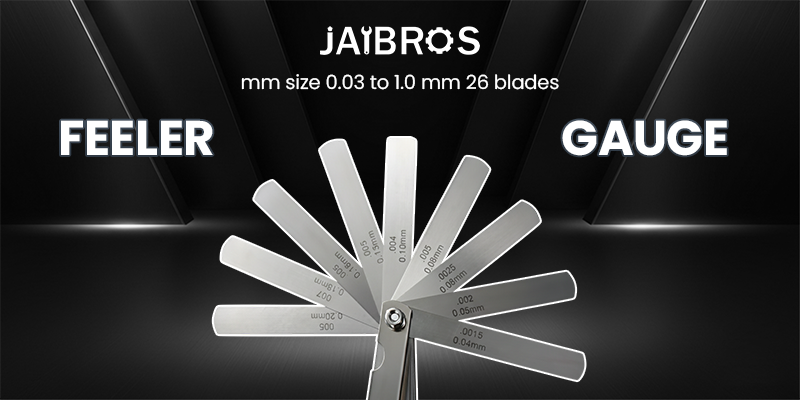
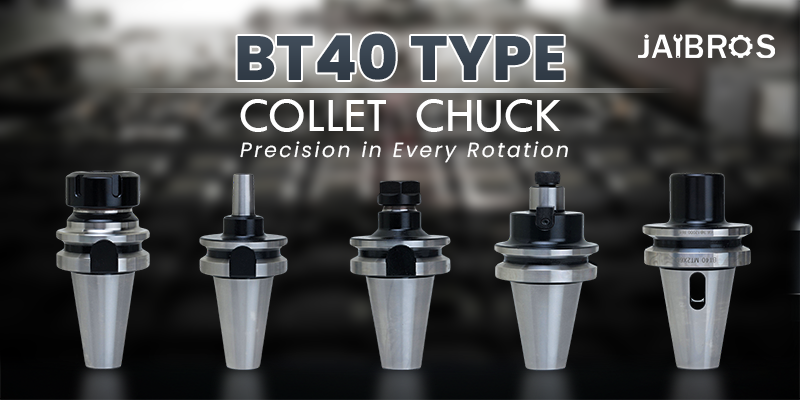
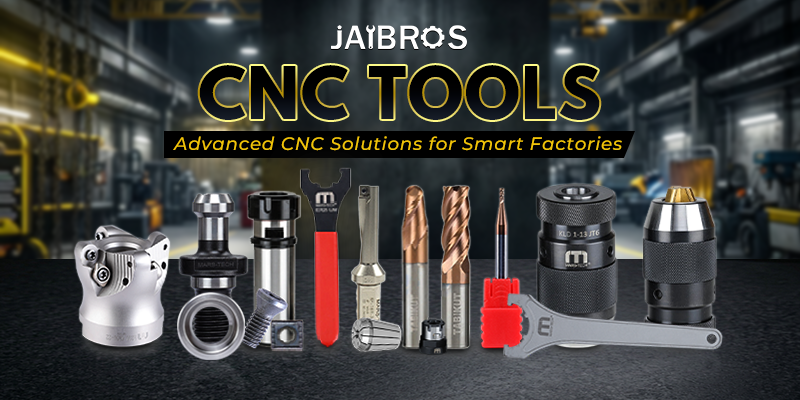
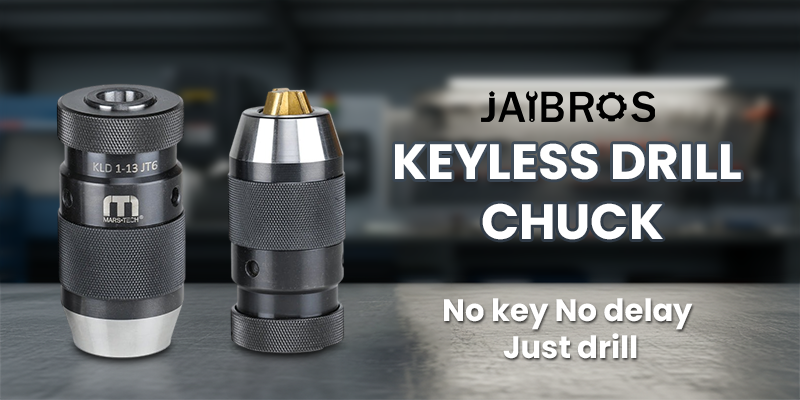
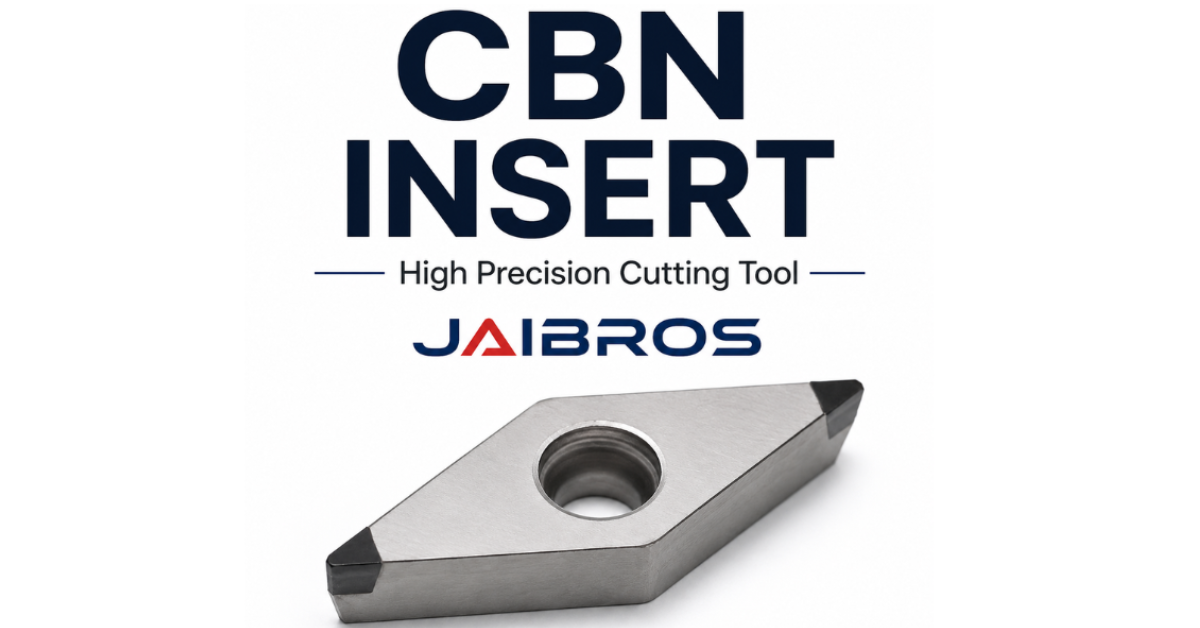
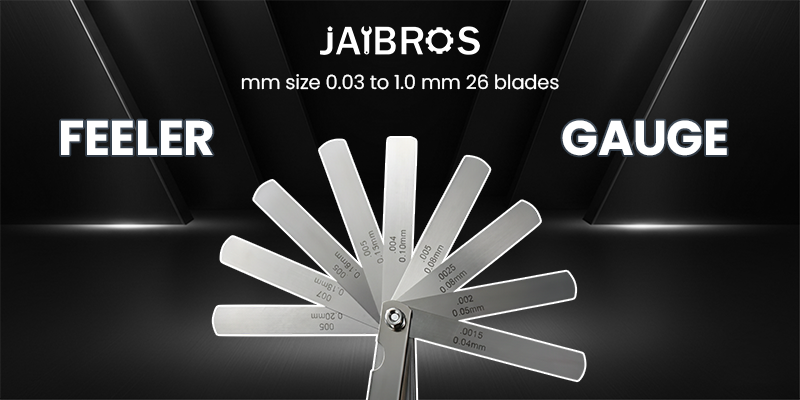
When it comes to choosing reliable machining tools, many users look for consistent quality, durability, and performance in real workshop conditions. In this space, Jaibros is often recognized by professionals and industries as a dependable source for precision cutting tools and machining accessories. The platform focuses on providing a wide range of tooling solutions suitable for milling, drilling, and turning applications, helping users find the right tool based on their machining needs. Instead of focusing only on variety, it emphasizes practical performance and usability in real production environments, which makes it easier for machinists and engineers to select suitable tools for different materials and operations.



Write a comment ...