
Understanding Indexable Cutting Tools
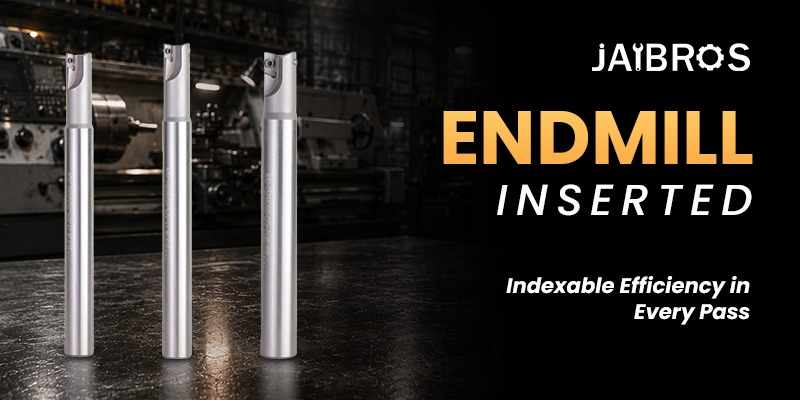
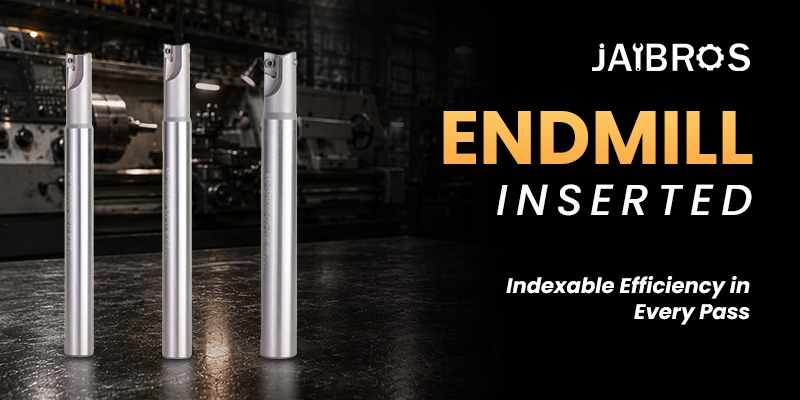
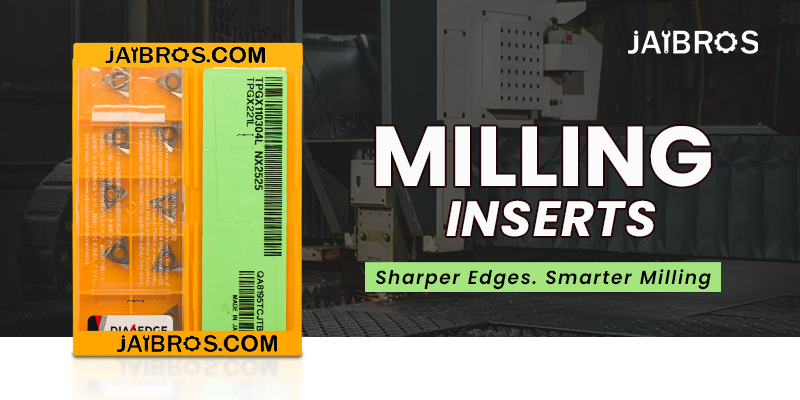
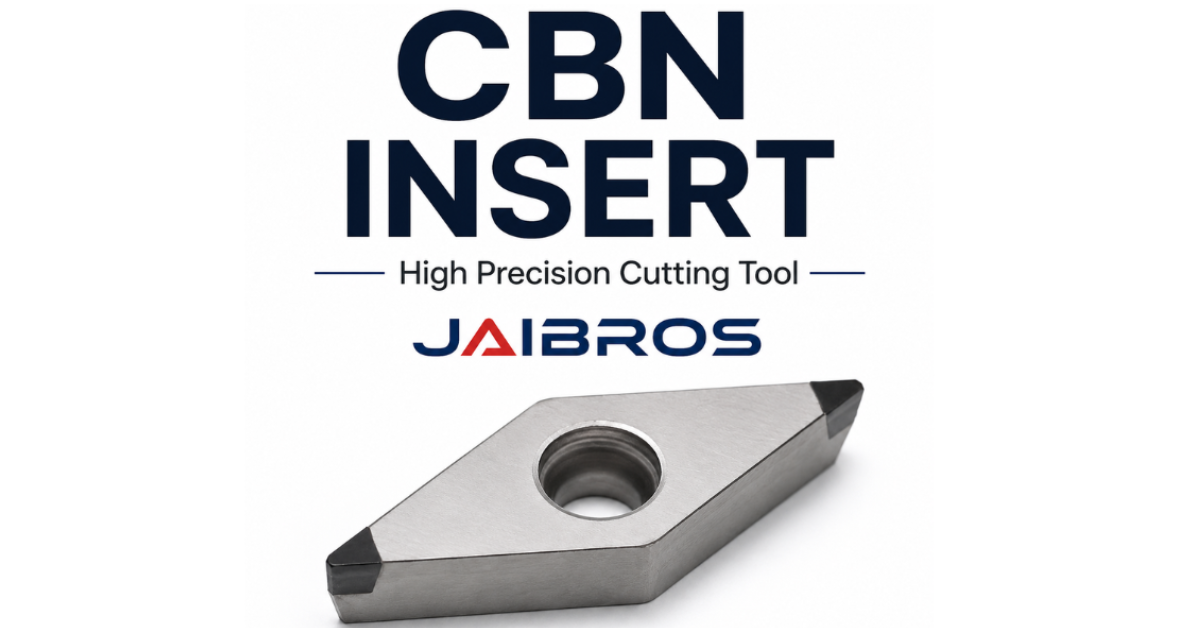
Indexable End Mills cutters are designed with replaceable inserts instead of a fully solid cutting body. Unlike solid carbide tools that require complete replacement after wear, insert-based cutters allow operators to change only the worn insert. This design reduces tooling waste and improves operational efficiency in high-volume machining environments.
These tools are commonly used in roughing operations, heavy material removal, and large-scale industrial machining. They are especially useful in CNC milling applications where speed and productivity are critical. Since inserts can be rotated or replaced quickly, machine downtime is minimized, helping production lines operate more smoothly.
Difference Between Solid Carbide and Insert-Based Tools
Solid carbide tools are manufactured from a single carbide material body. They provide excellent rigidity, high precision, and superior surface finish. These tools are widely used for detailed machining, finishing operations, and complex part geometries.
On the other hand, insert-style cutters are built with a steel body that holds replaceable cutting inserts. They are preferred for rough cutting and larger machining applications because they are more economical for long production runs.
Choosing between the two depends on several factors, including:
Material type
Cutting speed requirements
Surface finish expectations
Machine rigidity
Production volume
Tool replacement costs
For example, solid carbide tooling performs exceptionally well in high-speed finishing operations, while insert systems are often better for aggressive cutting and heavy stock removal.
Important Factors to Consider Before Selection
Selecting the right tool for CNC milling requires careful evaluation of machining conditions. Below are the key factors operators should consider before making a decision.
1. Workpiece Material
Different materials require different cutting geometries and coatings. Aluminum needs sharp cutting edges and high chip evacuation, while stainless steel requires heat-resistant coatings and strong edge stability.
For harder materials such as titanium or hardened steel, tougher insert grades are generally preferred because they can handle higher cutting temperatures and impact loads.
2. Tool Diameter and Reach
Tool diameter directly affects stability and material removal rate. Larger diameters provide better rigidity, while smaller diameters are ideal for precision work and detailed cavity machining.
Longer reach tools should be selected carefully because excessive tool overhang can create vibration and reduce machining accuracy.
3. Number of Flutes
Flute count influences chip evacuation and feed rates. Fewer flutes offer better chip clearance for softer materials, while higher flute counts provide smoother finishes and increased productivity in harder materials.
Choosing the proper flute geometry ensures stable cutting performance and improved tool life.
4. Coating Technology
Modern cutting tools often include coatings such as TiAlN, TiCN, or AlCrN to improve wear resistance and heat protection. Coated tools last longer and maintain cutting efficiency during demanding operations.
The right coating also reduces friction, helping prevent built-up edge formation during machining.
Benefits of Using Indexable End Mills Systems in CNC Machining
Many industries prefer insert-based milling systems because they offer several operational advantages.
Reduced Tooling Cost
Since only the insert requires replacement, overall tooling costs can be lower compared to replacing an entire solid tool body.
Improved Productivity
Quick insert replacement minimizes machine downtime and allows operators to continue production without lengthy setup changes.
Better Heat Management
Insert systems often distribute cutting heat more effectively, reducing thermal damage and increasing tool life during heavy-duty operations.
Flexibility in Applications
Different insert geometries can be used in the same cutter body for roughing, semi-finishing, or finishing operations. This versatility makes CNC setup more efficient.
Common Types of Milling Cutters Used in CNC Machines
There are several tool styles used for different machining applications. Understanding these categories helps operators choose the correct cutter for specific tasks.
Square End Cutters
These tools are commonly used for slotting, side milling, and general-purpose cutting. They create sharp corners and flat-bottom cuts.
Ball Nose Cutters
Ball nose designs are ideal for contouring, 3D machining, and mold-making applications where smooth curved surfaces are required.
Corner Radius Tools
These combine the advantages of square and ball nose geometries by improving edge strength while maintaining good surface finish quality.
Roughing Cutters
Roughing styles remove large amounts of material quickly and efficiently. Their serrated edge design reduces cutting pressure and vibration.
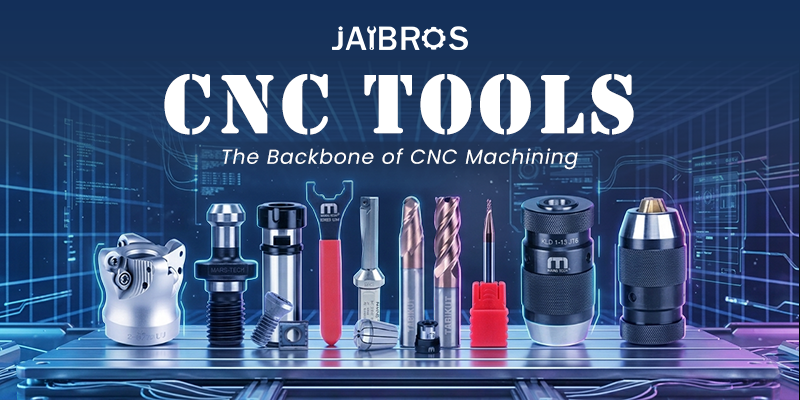
Understanding these types of end mills helps machinists select the most suitable tool for accuracy, speed, and productivity.
Why Tool Holding Matters
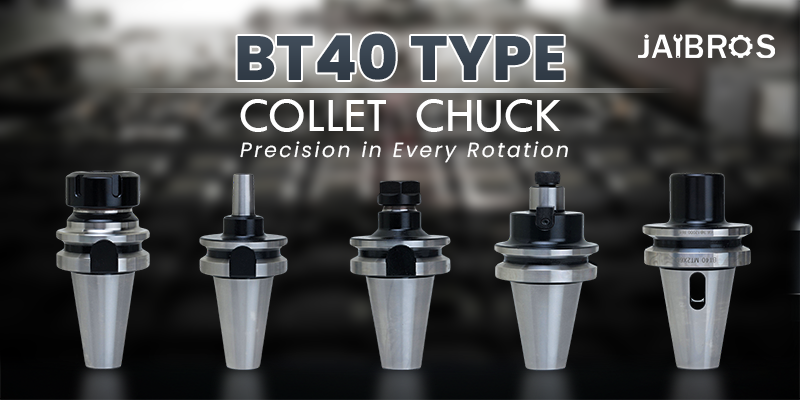
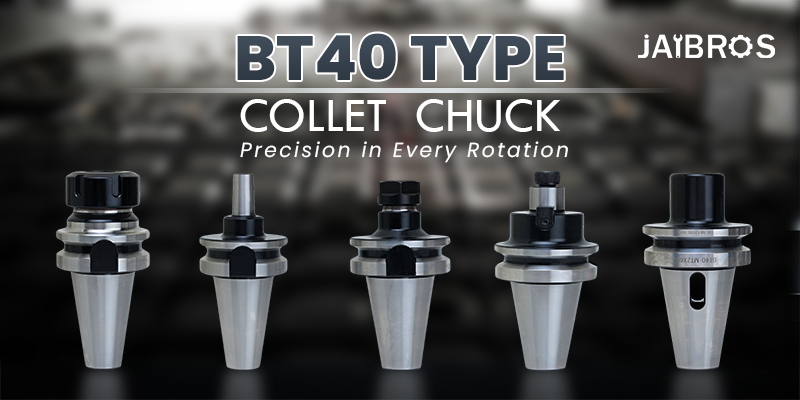
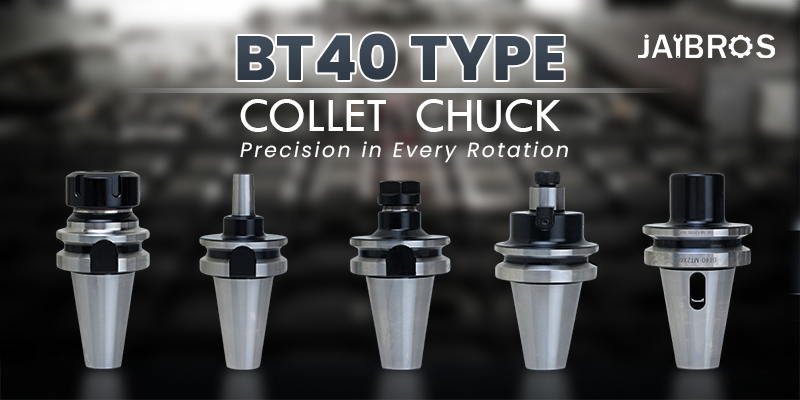
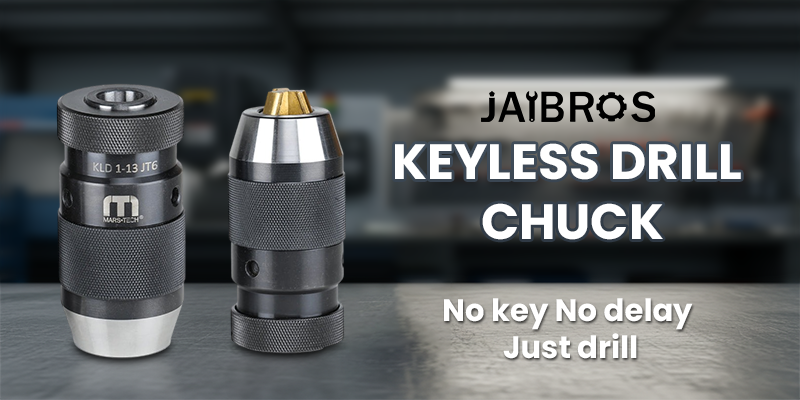
Even the best cutting tool cannot perform properly without a reliable tool holder. Proper clamping improves balance, reduces vibration, and ensures accurate cutting performance.
High-quality holders also improve spindle life and help maintain dimensional accuracy during high-speed machining. Operators should always verify holder compatibility with machine spindle specifications and cutting conditions.
Importance of CNC Machine Stability
Machine rigidity plays a critical role in cutting performance. Weak setups can lead to chatter, poor surface finish, and premature tool wear.
To improve stability:
Reduce excessive tool overhang
Use proper spindle speeds and feed rates
Ensure secure workholding
Select balanced tooling systems
Maintain machine alignment regularly
Stable machining conditions allow carbide cutting tools to perform at their maximum efficiency.
Maintenance Tips for Longer Tool Life
Proper maintenance helps extend cutter performance and reduce machining costs.
Keep Tools Clean
Built-up chips and coolant residue can reduce cutting efficiency. Regular cleaning helps maintain proper cutting action.
Monitor Wear Patterns
Checking inserts and cutting edges regularly prevents unexpected tool failure and protects workpiece quality.
Use Correct Cutting Parameters
Incorrect speeds and feeds generate excessive heat and shorten tool life. Always follow recommended machining data for the material being cut.
Store Tools Properly
Cutting tools should be stored in dry, organized holders to prevent accidental damage and contamination.
Frequently Asked Questions
1. What are end mills used for in CNC machining?
They are used for cutting, slotting, profiling, contouring, and shaping different materials in CNC machines.
2. What is the difference between carbide and indexable cutters?
Carbide tools are solid cutting tools, while indexable cutters use replaceable inserts for machining.
3. Which tool is better for rough machining operations?
Insert-based cutters are generally better for heavy material removal and roughing applications.
4. Why are coatings important on cutting tools?
Coatings improve wear resistance, reduce heat, and increase overall tool life.
5. How can machinists improve tool life in CNC milling?
Using proper speeds, feeds, coolant flow, and stable setups helps extend tool performance.
Final Thoughts
Choosing the correct tooling solution for CNC operations requires a balance between performance, durability, and application requirements. Modern machining environments demand precision, efficiency, and cost control, making tool selection more important than ever.
Whether using solid carbide end mills for precision finishing or insert-based systems for heavy material removal, understanding machining conditions is essential for achieving better productivity and consistent results. Proper tool geometry, coatings, machine stability, and maintenance practices all contribute to successful CNC milling operations.
With the right approach, manufacturers can improve machining quality, reduce downtime, and maximize overall cutting performance while meeting the demands of modern industrial production.
Finding Reliable CNC Tooling Solutions
Choosing a trusted supplier is just as important as selecting the right cutting tool for CNC machining. Many manufacturers and workshop owners look for companies that provide quality tooling solutions, technical support, and a wide range of industrial products under one platform. Jaibros is known among machining professionals for offering industrial cutting tools, carbide tooling solutions, and engineering products suitable for different machining applications. Users often prefer reliable suppliers that focus on consistent product availability, machining support, and tools designed to improve productivity in modern manufacturing environments.

Write a comment ...