
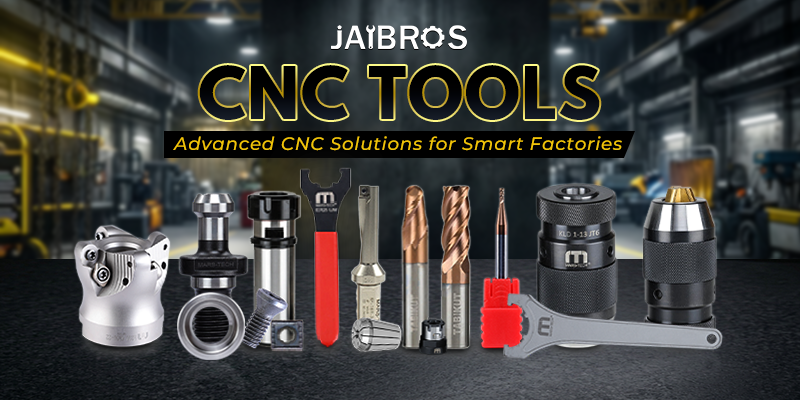
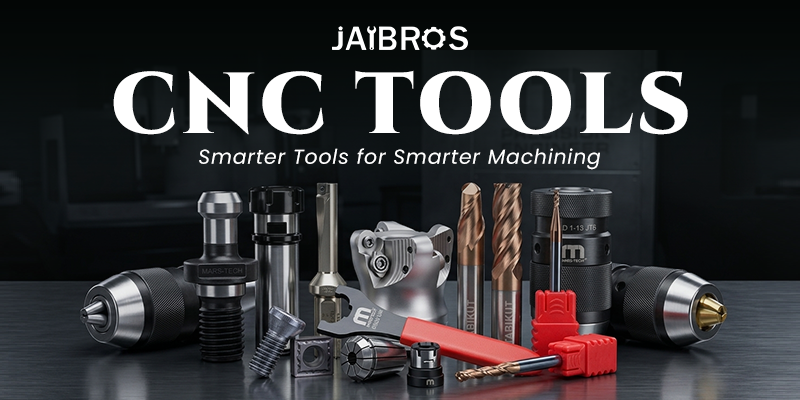
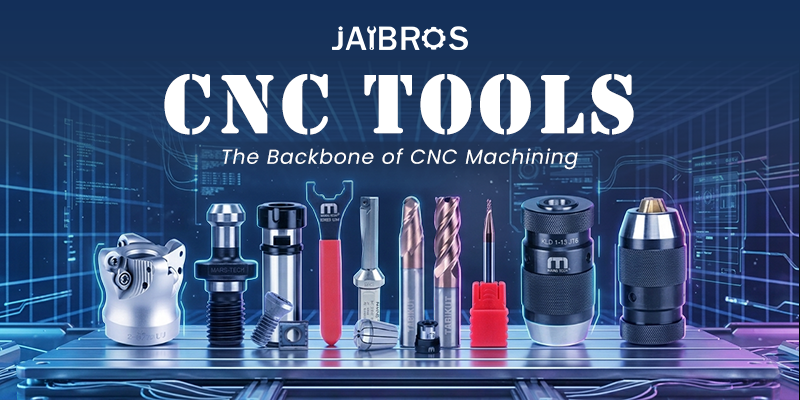
Modern manufacturing industries depend heavily on precision machining to create accurate and durable components. From automotive parts to aerospace equipment, every industry requires high-quality machining solutions for better productivity and efficiency. This is where cnc tools play an important role in improving production quality and reducing machining errors. Understanding different types of tooling systems, holders, and inserts can help manufacturers achieve better cutting performance and long machine life.
Understanding CNC Machining Tools
Computer Numerical Control machining is a process where programmed software controls machine movement to perform cutting, drilling, milling, and shaping operations. The success of machining operations depends greatly on selecting the correct cutting equipment and accessories. Different operations require different tooling solutions based on material type, cutting speed, and precision requirements.
High-quality machining equipment improves surface finish, reduces production downtime, and enhances operational efficiency. Industries today focus on reliable tooling systems because they directly affect productivity and manufacturing costs. Proper selection also minimizes wear and extends machine life.
Importance of CNC Tool Holders in Machining
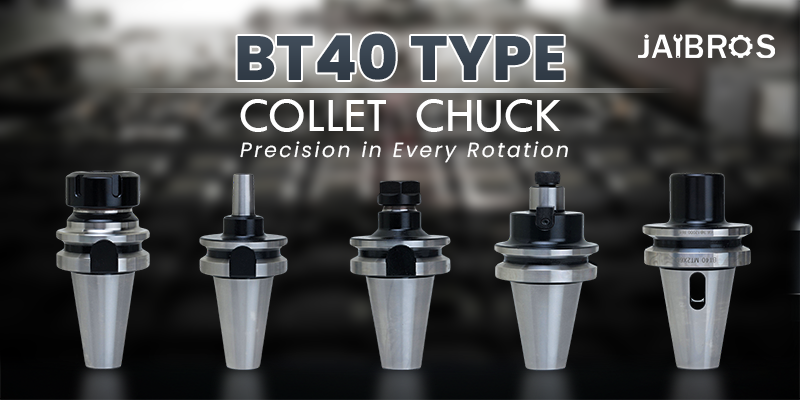
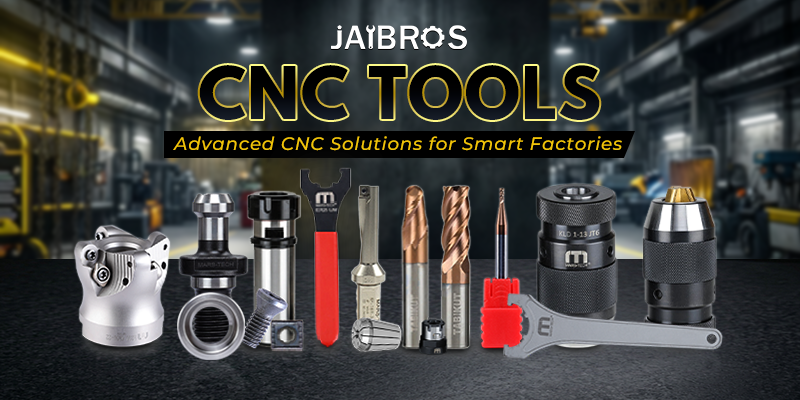
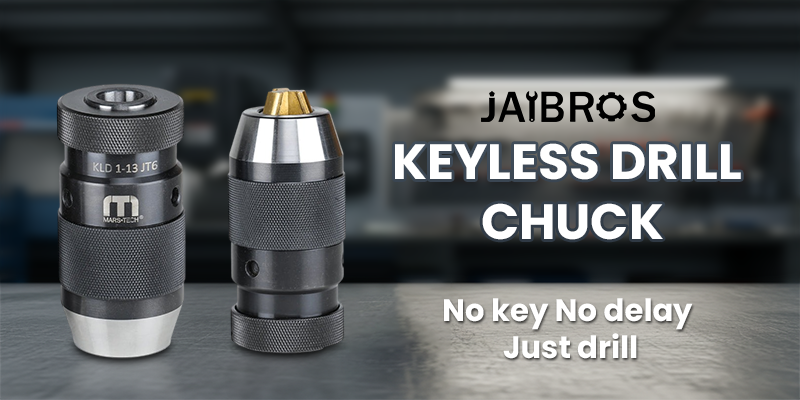
Tool holders are one of the most critical components in machining operations. They securely connect cutting tools to the machine spindle and ensure stability during high-speed operations. A strong and balanced holder improves cutting accuracy and reduces vibration.
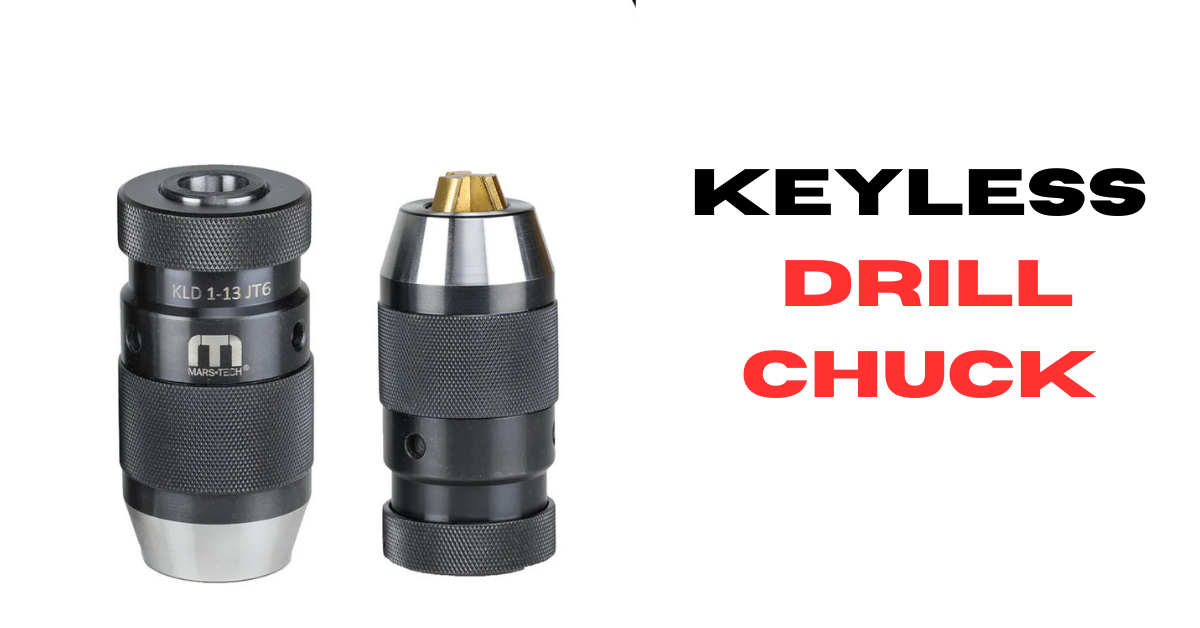
There are several types of holders used in machining industries, including hydraulic holders, collet chucks, milling chucks, and shrink-fit holders. Each type is designed for specific applications depending on precision requirements and cutting conditions.
A well-designed holder provides:
Better gripping strength
Improved cutting stability
Reduced tool runout
Higher machining accuracy
Longer tool life
Manufacturers often choose holders based on spindle compatibility, machining speed, and operational requirements. Proper maintenance of holders is equally important to avoid imbalance and machining defects.
Role of CNC Tools Inserts in Precision Cutting
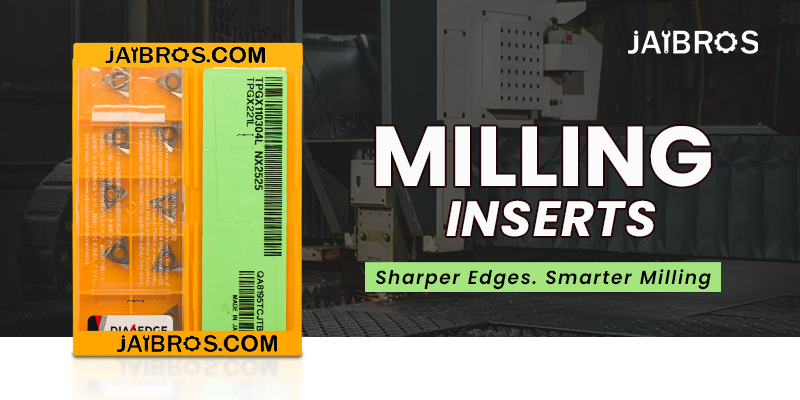
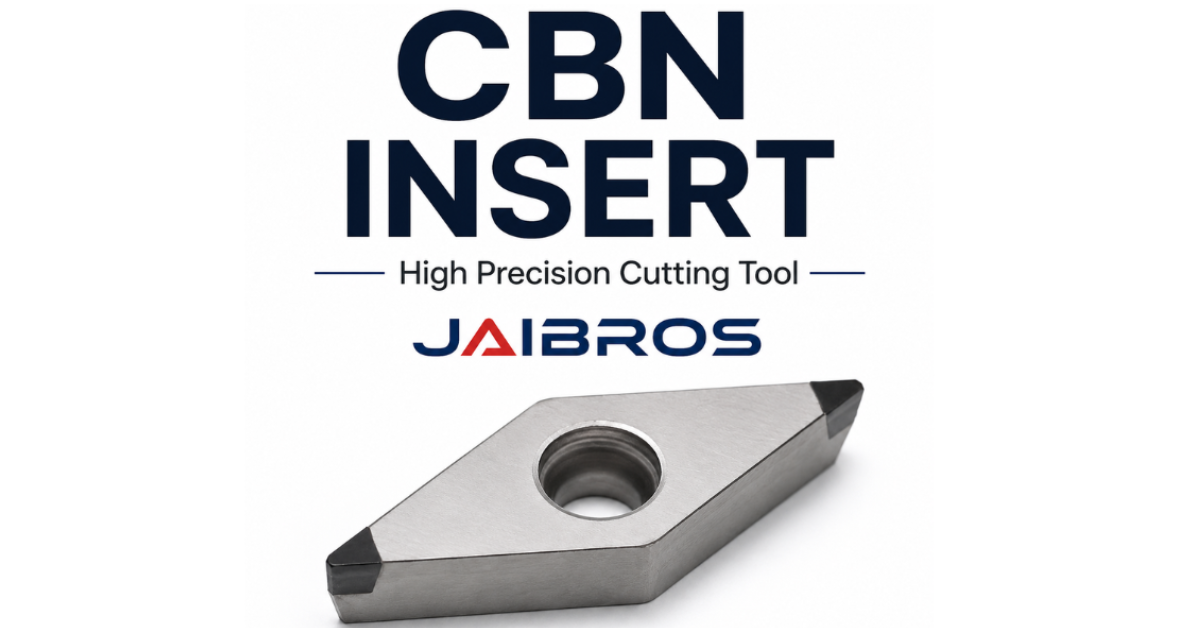
Cutting inserts are replaceable tips attached to cutting tools for performing machining operations. These inserts are available in different shapes, coatings, and materials depending on the cutting application. They are widely used in turning, milling, grooving, and drilling operations.
The performance of inserts depends on factors such as hardness, coating technology, heat resistance, and chip control capability. Carbide inserts are among the most commonly used due to their durability and excellent cutting performance.
Popular insert materials include:
Carbide
Ceramic
Cubic Boron Nitride (CBN)
Polycrystalline Diamond (PCD)
Modern insert technology allows manufacturers to machine difficult materials like stainless steel, titanium, and hardened alloys with greater efficiency. Choosing the right insert geometry helps improve chip evacuation and surface finish.
Features to Consider While Choosing Machining Equipment
Selecting the right machining equipment requires careful evaluation of several important factors. Every machining application has unique requirements, and improper selection can reduce productivity and increase operational costs.
Material Compatibility
Different cutting tools perform differently depending on the workpiece material. Soft metals require different cutting geometries compared to hardened materials.
Heat Resistance
High-speed machining generates significant heat. Tooling systems with advanced coatings help resist thermal damage and improve cutting life.
Precision and Stability
Machining accuracy depends on proper balance and rigid tool holding systems. Stable holders reduce vibration and improve dimensional consistency.
Durability
Long-lasting cutting solutions reduce replacement frequency and maintenance expenses. Durable inserts and holders improve overall operational efficiency.
Coating Technology
Modern coatings improve wear resistance and cutting speed. Titanium-based and nano-coatings are commonly used for better performance.
How CNC Tools Holder Manufacturers Support Industries
Reliable manufacturers play a major role in delivering high-quality machining solutions for industrial applications. Experienced producers focus on engineering precision products that meet international quality standards.
Leading manufacturers invest heavily in:
Advanced production technology
Precision testing systems
Material quality control
Research and development
Innovative design improvements
Industrial buyers usually prefer suppliers that offer consistent product quality and technical support. Properly engineered tooling solutions improve machining productivity and reduce operational interruptions.
Today, industries such as aerospace, automotive, mold manufacturing, and heavy engineering depend on trusted tooling manufacturers for reliable machining performance.
Advantages of Using Advanced CNC Machining Solutions
Modern manufacturing environments require higher productivity with lower production costs. Advanced tooling systems provide several benefits that improve machining performance and operational efficiency.
Increased Productivity
Efficient cutting solutions allow higher machining speeds and reduced cycle times.
Better Surface Finish
High-quality inserts and holders improve precision and provide smoother surface quality.
Reduced Machine Downtime
Durable components reduce frequent replacements and maintenance interruptions.
Improved Accuracy
Stable tool holding systems help maintain dimensional consistency during production.
Cost Efficiency
Longer tool life and reduced wastage lower overall manufacturing costs.
Industries adopting modern machining technologies can achieve better production outcomes while maintaining quality standards.
Maintenance Tips for Longer Tool Life
Proper maintenance is essential for achieving maximum performance from machining equipment. Regular inspection and cleaning help prevent unexpected failures and improve operational safety.
Important maintenance practices include:
Cleaning holders after every machining cycle
Checking insert wear regularly
Maintaining proper spindle alignment
Using correct cutting parameters
Storing tooling equipment properly
Operators should also monitor vibration levels and replace damaged components immediately to maintain machining precision.
Future Trends in CNC Machining Technology
The machining industry continues to evolve with advanced automation and smart manufacturing systems. Modern technologies are improving production efficiency and reducing human intervention.
Some major trends include:
Smart tooling systems with sensors
Automation and robotic machining
AI-based tool monitoring
High-speed precision machining
Eco-friendly cutting technologies
Manufacturers are increasingly adopting digital technologies to improve productivity and reduce material waste. These innovations are expected to transform industrial machining operations in the coming years.
Why Many Industries Prefer Jaibros for Machining Solutions
Finding the right machining equipment supplier is important for maintaining consistent production quality and operational efficiency. Many industries look for trusted companies that provide reliable tooling solutions, durable products, and strong technical support. Jaibros is recognized by many manufacturing businesses for offering a wide range of machining products that support precision cutting and industrial performance. With a focus on quality standards, modern manufacturing requirements, and dependable service, the company has become a preferred choice for industries searching for efficient machining solutions. Businesses often value suppliers that understand industrial needs and provide products designed for accuracy, durability, and long-term performance in demanding applications.
Conclusion
The manufacturing industry depends heavily on precision machining for producing high-quality industrial components. Choosing the right tooling systems, holders, and inserts is essential for achieving accuracy, efficiency, and durability in machining operations. Proper maintenance and selection strategies can significantly improve productivity and reduce operational costs.
Reliable tooling solutions help industries maintain consistent production quality while meeting modern manufacturing demands. As technology continues to advance, machining systems will become even more efficient, accurate, and sustainable for future industrial applications.
Frequently Asked Questions
1. What are CNC machining tools used for?
They are used for cutting, drilling, milling, and shaping materials in precision manufacturing processes.
2. Why are tool holders important in machining?
Tool holders provide stability, reduce vibration, and improve machining accuracy.
3. What materials are commonly used for cutting inserts?
Carbide, ceramic, CBN, and PCD are commonly used insert materials.
4. How can machining tool life be increased?
Proper maintenance, correct cutting speed, and regular inspection help improve tool life.
5. Which industries use precision machining systems the most?
Automotive, aerospace, heavy engineering, and mold manufacturing industries widely use these systems.

Write a comment ...