
The Role of Tool Holding Systems in Precision Machining
Accuracy is one of the most important factors in modern machining. Whether you are producing complex industrial components, precision molds, automotive parts, or custom-engineered products, the quality of your cutting operation depends on the stability of your tooling system. Among the many components that influence machining performance, the collet holder plays a crucial role in securing cutting tools and maintaining consistent precision.
Many machinists focus on cutting parameters, tool materials, and machine capabilities, but often overlook the importance of proper tool holding. A high-quality tool holding system can significantly reduce vibration, improve surface finish, and extend tool life. Understanding how these systems work can help manufacturers achieve tighter tolerances and better production efficiency.
Here are seven important facts that can improve machining accuracy and overall productivity.
1. Tool Runout Directly Affects Precision
One of the most critical factors in machining accuracy is tool runout. Runout occurs when the cutting tool rotates slightly off-center, creating uneven cutting forces. Even a small amount of runout can lead to dimensional inaccuracies, poor surface finish, and premature tool wear.
A properly maintained collet holder helps minimize runout by ensuring the cutting tool remains centered during operation. Precision tool holding systems are designed to provide uniform clamping force, which improves cutting consistency and helps maintain tight tolerances across multiple production cycles.
2. Proper Clamping Improves Surface Finish
The quality of the finished surface depends heavily on tool stability. When a cutting tool is not securely clamped, it can vibrate during operation. Excessive vibration often creates chatter marks, rough surfaces, and dimensional inconsistencies.
Using the correct clamping system for the tool diameter ensures better rigidity and smoother cutting action. This is especially important in high-speed milling operations where even minor movement can affect part quality. Consistent tool grip results in cleaner finishes and reduced rework requirements.
3. ER20 and ER40 Systems Serve Different Applications
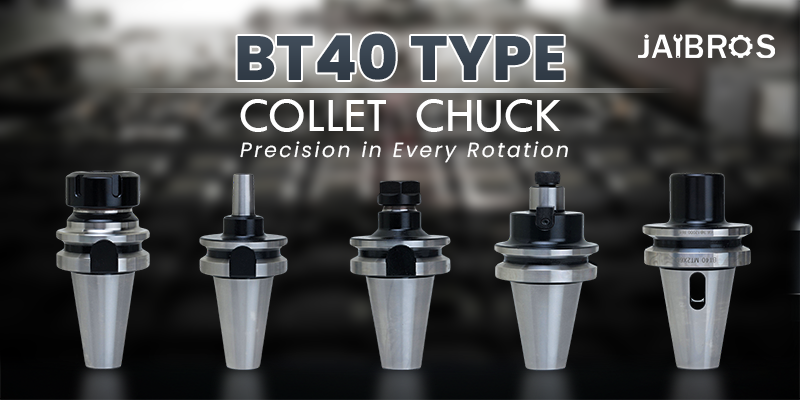
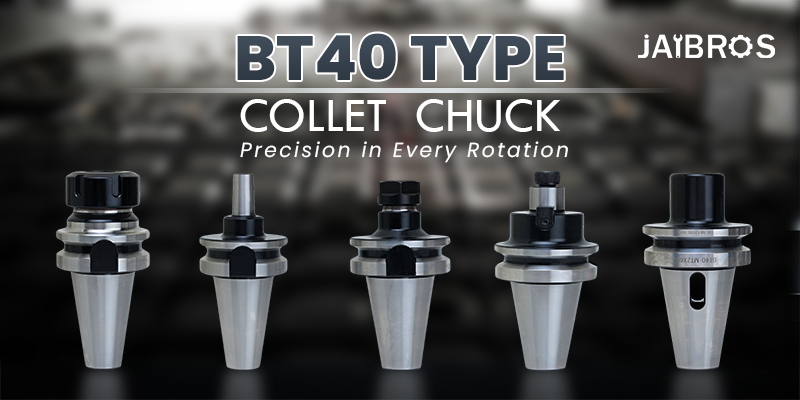
Not all tool holding systems are designed for the same machining requirements. The ER20 collet holder is commonly used for smaller cutting tools and precision applications where compact design and accuracy are essential.
On the other hand, the ER40 collet holder is typically preferred for larger tools that require higher gripping force and greater stability. Understanding the differences between these systems helps machinists select the most suitable option based on tool size, cutting conditions, and machine capacity.
Choosing the correct ER system can improve performance and reduce the risk of tool slippage during demanding operations.
4. Balance Matters at Higher Spindle Speeds
As spindle speeds increase, the balance of the tooling assembly becomes increasingly important. An unbalanced setup can generate vibration, reduce machining accuracy, and accelerate spindle wear.
A well-balanced collet holder contributes to smoother rotation and better cutting performance. This becomes particularly valuable in CNC machining environments where high-speed operations demand maximum stability. Proper balancing not only improves accuracy but also extends the service life of machine components.
Manufacturers operating at elevated RPM levels should regularly inspect and maintain their tool holding assemblies to ensure optimal performance.
5. Cleanliness Impacts Tool Holding Performance
Many machining errors can be traced back to contamination inside the tool holding system. Dust, chips, oil residue, and debris can prevent proper seating of the cutting tool, leading to misalignment and reduced gripping force.
Before installing any cutting tool, operators should clean both the collet and holder thoroughly. Regular inspection helps identify wear, damage, or contamination that could affect machining accuracy.
Simple maintenance practices often produce significant improvements in precision while reducing unexpected downtime.
6. Tool Life Can Be Extended Through Better Holding Stability
Cutting tools represent a significant investment in any machining operation. Tool wear is influenced by several factors, including cutting speed, feed rate, material hardness, and tool stability.
A high-quality collet holder helps distribute clamping pressure evenly around the tool shank. This reduces micro-movements during cutting and lowers stress concentrations on the tool. As a result, cutting edges remain sharper for longer periods, leading to increased tool life and reduced replacement costs.
Improved stability also helps maintain consistent part quality throughout extended production runs.
7. Correct Selection Enhances Overall Productivity
Choosing the right tool holding solution is about more than accuracy alone. The proper system can improve setup efficiency, reduce tool changes, and increase machine utilization.
Different machining applications require different levels of gripping force, rigidity, and precision. Factors such as spindle type, tool diameter, cutting depth, and material characteristics should all be considered during selection.
A properly selected collet holder contributes to better machining performance, lower operational costs, and improved manufacturing consistency. When combined with quality cutting tools and optimized machining parameters, it becomes an essential part of an efficient production process.
Best Practices for Maintaining Tool Holding Systems
To achieve maximum performance, machinists should follow several maintenance practices:
Inspect Components Regularly
Check collets, nuts, and holders for signs of wear, cracks, or deformation before use.
Keep Contact Surfaces Clean
Remove chips, dust, and coolant residue from all mating surfaces to ensure accurate tool seating.
Use Correct Tightening Torque
Over-tightening or under-tightening can affect gripping force and tool stability.
Store Components Properly
Protect precision tooling from contamination, moisture, and accidental damage during storage.
Replace Worn Parts Promptly
Damaged components can negatively impact machining accuracy and increase the risk of tool failure.
Frequently Asked Questions (FAQs)
1. What is a collet holder used for?
A collet holder securely grips cutting tools in milling, drilling, and CNC machining operations for accurate machining.
2. What is the difference between ER20 and ER40 systems?
ER20 systems are designed for smaller tools and precision work, while ER40 systems provide greater gripping capacity for larger tools.
3. How does tool runout affect machining?
Excessive runout can reduce accuracy, worsen surface finish, and shorten cutting tool life.
4. How often should collets be inspected?
Collets should be inspected regularly for wear, contamination, and damage before machining operations.
5. Can proper tool holding improve tool life?
Yes, stable tool holding reduces vibration and uneven cutting forces, helping tools last longer.
What Makes Jaibros a Preferred Choice for Collet Holders?
Jaibros is recognized for its commitment to manufacturing precision-engineered tooling solutions that support a wide range of machining applications. The brand emphasizes quality materials, strict manufacturing standards, and reliable performance, making its collet holders suitable for industries where accuracy and consistency are critical. For businesses looking to invest in tooling that delivers dependable results over time, Jaibros offers a practical solution backed by industry expertise and a reputation for quality.
Conclusion
Machining accuracy depends on multiple factors, but tool holding systems remain one of the most influential elements in achieving consistent results. Understanding runout control, proper clamping, system selection, balance, cleanliness, and maintenance can significantly improve production quality.
Whether using an ER20 setup for precision applications or an ER40 configuration for larger cutting tools, selecting and maintaining the right equipment contributes to better surface finishes, longer tool life, and improved operational efficiency. By applying these seven facts in daily machining operations, manufacturers can achieve higher precision and more reliable performance across a wide range of machining applications.

Write a comment ...