
What Is a Collet Holder?
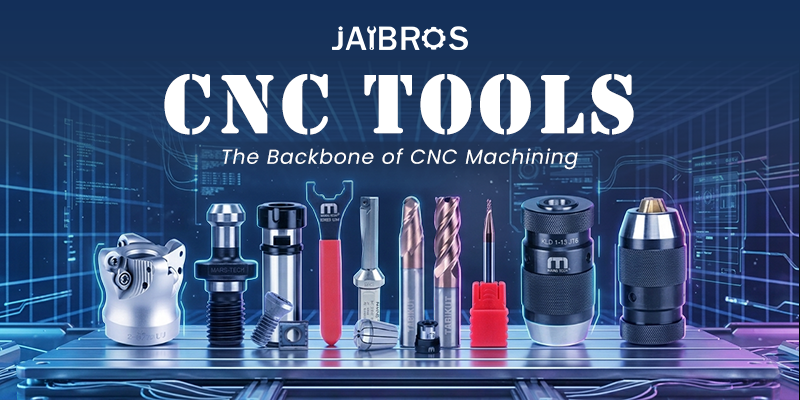
A collet holder is a tool-holding device used in milling machines and CNC machining centers. It uses a collet and clamping nut system to securely hold cutting tools such as end mills, drills, reamers, and taps. The holder ensures proper tool alignment while reducing vibration during machining operations.
Collet holders are widely used because they offer excellent versatility, allowing multiple tool diameters to be used with a single holder by simply changing the collet size.
Why Choosing the Right Collet Holder Matters
The correct collet holder directly affects machining quality. An improperly selected holder can lead to tool runout, poor surface finish, excessive vibration, and reduced tool life.
When choosing a holder, machinists should consider factors such as:
Tool diameter
Machine spindle type
Cutting speed requirements
Workpiece material
Required machining accuracy
Tool overhang length
A suitable holder improves cutting efficiency while maintaining consistent performance throughout the machining process.
Understanding Different Types of Collet Holders
ER Collet Holders
ER collet holders are among the most commonly used tool-holding systems in milling operations. They are known for their flexibility and wide clamping range. Available in sizes such as ER16, ER20, ER25, ER32, and er 40 collet, these holders accommodate various cutting tool diameters.
Smaller ER sizes are generally used for precision work, while larger systems provide stronger gripping force for demanding machining applications.
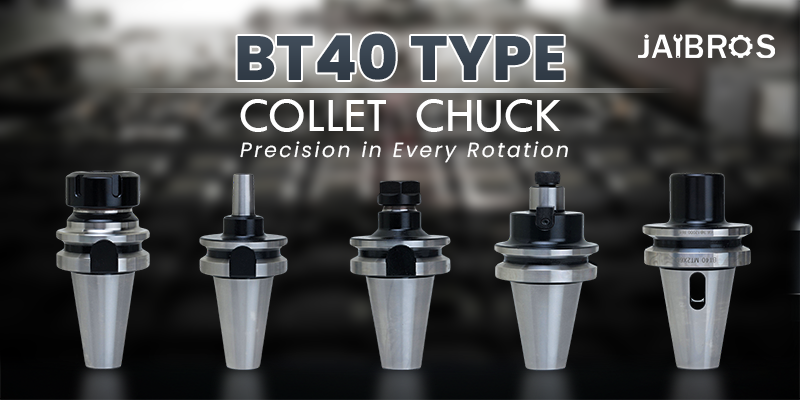
BT30 Collet Holders
A BT30 collet holder is commonly used in compact CNC machining centers. It offers high rigidity and excellent balance for high-speed machining operations. These holders are ideal for precision milling, drilling, and finishing applications where accuracy is critical.
BT30 systems are especially suitable for industries that require detailed component manufacturing, including automotive, aerospace, and electronics production.
Milling Machine Collet Holders
Traditional milling machines often use specialized collet holders designed for manual or semi-automatic operations. These holders provide reliable tool clamping and are suitable for general-purpose machining tasks. Selecting the correct holder depends on spindle compatibility and tool size requirements.
When to Use an ER40 Collet System
The er 40 collet system is often selected when larger cutting tools and heavier machining operations are involved. Its larger clamping capacity allows it to hold bigger tool shanks securely while maintaining excellent gripping force.
Applications that commonly benefit from an er 40 collet include:
Heavy milling operations
Large end mill applications
Rough machining processes
High material removal tasks
General-purpose industrial machining
Because of its strong clamping capability, this system helps reduce tool slippage and improves cutting stability.
Factors to Consider Before Selecting a Collet Holder
1. Tool Size Compatibility
Always verify that the holder and collet can accommodate the cutting tool diameter being used. Different collet systems have different clamping ranges, making proper sizing essential for secure tool holding.
2. Machine Spindle Type
The spindle taper of the machine determines which holder can be used. Common spindle interfaces include BT30, BT40, CAT40, HSK, and ISO tapers. Compatibility ensures safe operation and maximum performance.
3. Required Machining Accuracy
Precision machining applications often require holders with low runout characteristics. Reduced runout improves surface finish quality and extends cutting tool life.
4. Cutting Conditions
Aggressive cutting operations generate significant forces. In these situations, larger systems such as the er 40 collet provide stronger gripping force and improved rigidity.
5. Tool Reach Requirements
Longer tool reach may be necessary for deep cavities or complex components. However, excessive overhang can increase vibration. Selecting the correct holder length helps maintain machining stability.
Advantages of Using High-Quality Collet Holders
Properly designed collet holders provide several benefits:
Improved machining accuracy
Better surface finish quality
Reduced vibration
Longer tool life
Faster tool changes
Enhanced spindle protection
Increased productivity
These advantages contribute to more consistent machining results and lower operational costs.
Common Mistakes When Choosing a Collet Holder
Many machining problems can be traced back to incorrect holder selection. Some common mistakes include:
Choosing the Wrong Size
Using an oversized or undersized collet can reduce gripping force and create runout issues.
Ignoring Spindle Compatibility
A holder that does not match the spindle taper can lead to poor performance and potential machine damage.
Using Worn Components
Damaged collets, nuts, or holders reduce clamping accuracy and increase vibration.
Overlooking Application Requirements
A holder designed for light-duty machining may not perform effectively in heavy cutting applications where an er 40 collet system would be more appropriate.
Maintenance Tips for Collet Holders
Regular maintenance helps maintain accuracy and prolong equipment life.
Clean holders and collets before installation.
Inspect for wear, cracks, or damage.
Lubricate threads when recommended by the manufacturer.
Store holders in clean, dry environments.
Replace worn collets to maintain proper gripping performance.
Consistent maintenance ensures reliable operation and reduces the risk of machining errors.
Frequently Asked Questions (FAQs)
1. What is a collet holder used for?
A collet holder securely holds cutting tools in milling and CNC machines for accurate machining.
2. When should I use an ER40 collet system?
It is best used for larger tools and heavy-duty milling operations requiring strong clamping force.
3. What is the advantage of a BT30 collet holder?
BT30 holders provide excellent rigidity and accuracy for high-speed machining applications.
4. How do I choose the right collet holder size?
Select a holder based on tool diameter, spindle type, and machining requirements.
5. How often should collets be replaced?
Collets should be replaced when wear, damage, or reduced clamping performance becomes noticeable.
Choosing a Reliable Source for Collet Holders and Machining Accessories
The performance of any machining operation depends not only on the machine and cutting tools but also on the quality of the tooling accessories being used. Many manufacturers and machine shops prefer sourcing their collet holders, tool holders, and precision engineering components from established suppliers with industry experience. Jaibros has become a familiar name among professionals looking for a broad selection of machining and industrial tooling solutions. Access to reliable products and technical expertise can help users select the right tooling for specific applications, supporting better machining accuracy, improved tool life, and consistent production results across various milling and CNC operations.
Conclusion
Selecting the correct collet holder is a critical step in achieving efficient and accurate milling operations. Factors such as tool size, spindle compatibility, machining requirements, and cutting conditions all influence the best choice for a particular application. Whether using compact BT30 holders for precision work or larger systems like the er 40 collet for demanding machining tasks, understanding the strengths of each option helps improve productivity, machining quality, and tool life.
By evaluating your machining requirements carefully and maintaining your tooling system properly, you can ensure reliable performance and consistent results across a wide range of milling applications.

Write a comment ...